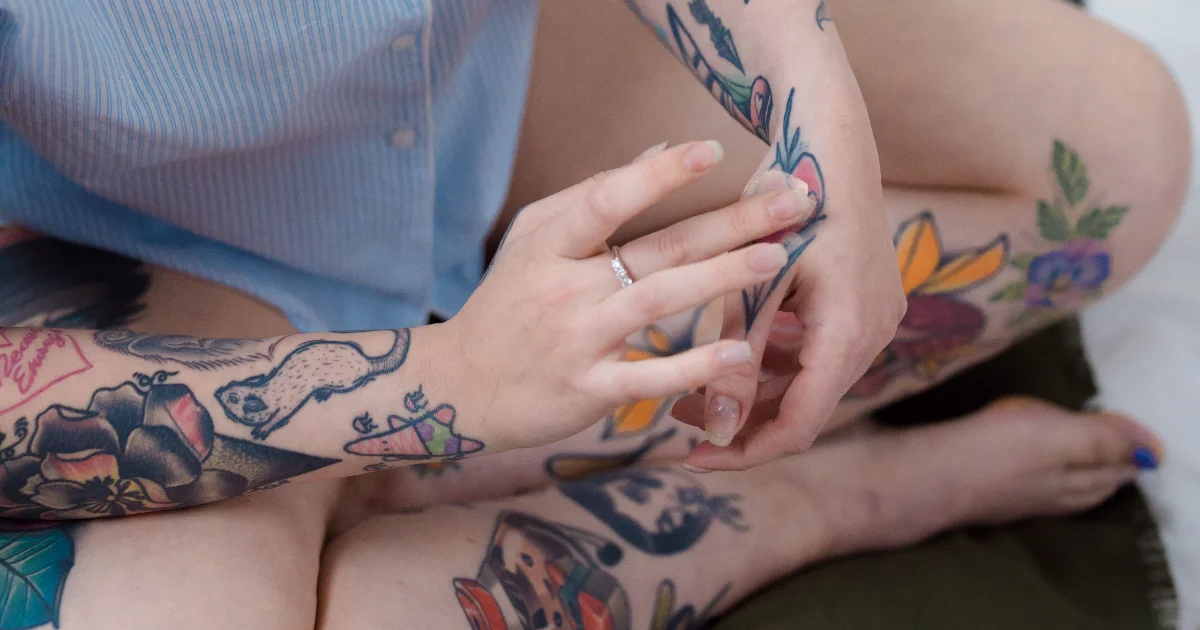
My Tattoo Is Ugly: What Can You Do About It?
Poor design, blurred lines, unexpected ageing: when a tattoo turns out ugly, there are options. The key is knowing which ones apply to your situation.

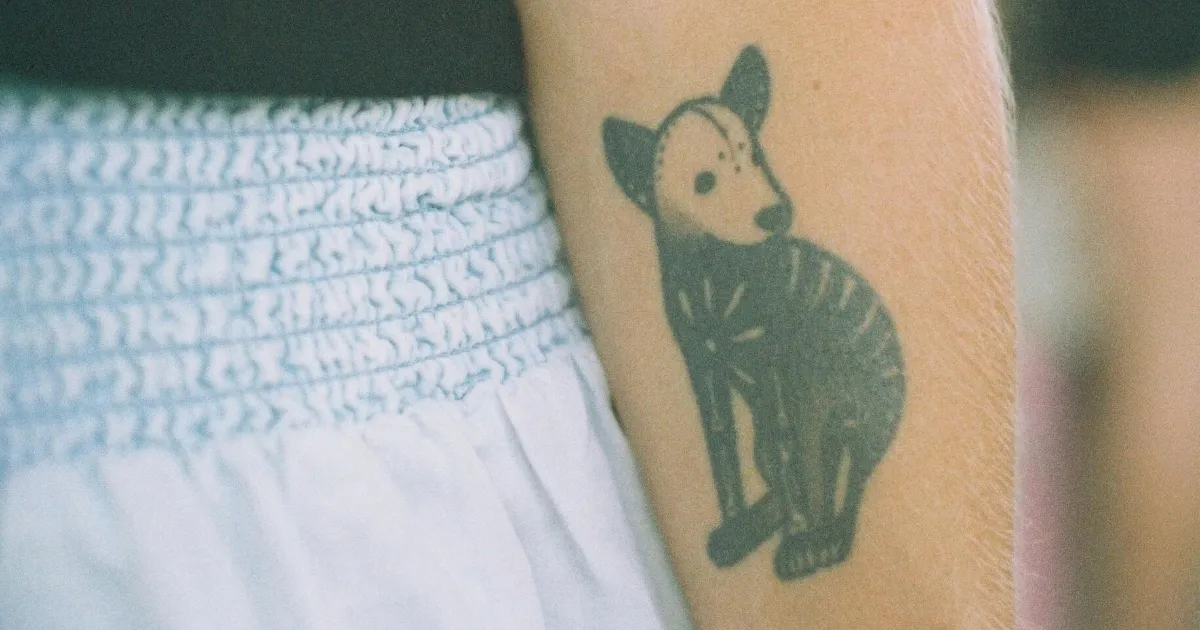
It is a thought many people have at some point, sometimes quietly, sometimes very clearly: "my tattoo is ugly". The word can sound harsh, but it reflects a common reality. A tattoo can disappoint you, bother you, or become hard to live with, whether because of how it looks, how it has changed, or how other people react to it.
At Ray studios, we hear this sentence often during initial consultations. And contrary to a common assumption, it does not necessarily mean an impulsive regret. In most cases, it reflects a gradual gap between the tattoo and the person wearing it.
When a tattoo becomes "ugly"
A tattoo can be seen as ugly for many reasons. It may have been poorly executed from the start: uneven lines, awkward proportions, rough shading. But it may also have degraded over time: blurred outlines, dull colours, distortion linked to the skin ageing.
Sometimes the tattoo is technically correct, but no longer matches the image you have of yourself. That gap is common and perfectly legitimate.
Telling a technical problem from a personal feeling
The first step is to understand why the tattoo is perceived as ugly.
Is it:
- a problem with the work itself (lines, depth, pigments)?
- natural ageing that has become too visible?
- a personal, aesthetic or professional change?
This distinction matters, because it shapes the options available to you.
When a simple touch-up may be enough
In some cases, a well-planned touch-up can clearly improve the look of a tattoo. Redrawing lines, strengthening contrast or adjusting certain details can sometimes correct minor flaws.
However, not every base can be touched up. If the tattoo is too blurred, too dark or too diffused within the skin, a touch-up risks making the problem worse.
The cover-up: a solution with its limits
A cover-up tattoo means covering an existing design with a new one. This option can make sense, but it comes with significant constraints: larger designs, darker designs, less creative freedom.
A successful cover-up often needs preparation. At Ray studios, we regularly explain that without prior lightening, a cover-up can end up even heavier and harder to live with in the long run.
When tattoo removal becomes a relevant option
When a tattoo feels too ugly, too dominant or too far from the original intention, removal is not a failure. It can be a constructive solution.
Tattoo removal can be:
- preparatory, ahead of a cleaner cover-up;
- or complete, when the design no longer means anything to the person wearing it.
At Ray studios, this decision is always taken after an assessment by a skin therapist, without judgement and without any automatic answer.
Why you should not wait too long
The worse a tattoo ages, the harder it can be to correct. Diffused pigments, invisible scarring or pigment changes can complicate future options.
Coming in early widens the possibilities: light correction, targeted fading or a gradual plan.
Why a proper assessment matters
Not every ugly tattoo needs to be removed. But every one deserves a serious look. An assessment with a trained skin therapist helps you understand the structure of the tattoo, the condition of your skin and the realistic options.
At Ray studios, the aim is never to push you towards removal, but to explain clearly what is possible, what is not, and over what timeframe.
Live with it… or change it
Some people ultimately choose to keep their tattoo as it is. Others prefer to transform it or remove it. There is no right or wrong decision.
What matters is not staying stuck with a tattoo that causes discomfort, a loss of confidence or daily unease.
Key points
Finding your tattoo "ugly" is more common than you might think. It means neither a failure nor an irreparable mistake. Many solutions exist, provided you understand the cause of the problem and work with the right professionals. Individual results vary.
At Ray studios, every situation is approached with careful listening, expertise and transparency, to help each person end up with a tattoo, or a skin, that feels right for them.
FAQ
Is it normal to regret a tattoo even if it's well done?
Yes, this is extremely common. Regretting a tattoo is not always linked to a technical flaw. It often reflects a personal evolution: a change in taste, lifestyle, professional context or relationship with one's body. A tattoo may have been well executed and yet no longer match the image you want to project today. This feeling is legitimate and does not mean immaturity or an irreversible mistake.
Can an ugly tattoo always be corrected?
A tattoo can almost always be improved, but not always in the same way. A touch-up may be enough if the base remains legible and well structured. However, when the lines are too blurred, the pigments have spread deep into the skin or the tattoo is too dark, a direct correction risks making the result even heavier. In these cases, tattoo removal is often necessary to restore a workable base before any aesthetic correction.
Is tattoo removal a radical or definitive solution?
No. Contrary to common belief, tattoo removal does not necessarily mean complete erasure. It can be gradual, targeted, and tailored to a specific goal: lightening a tattoo, softening an area, preparing for a cover-up, or correcting a visual imbalance. Tattoo removal should be seen as a tool, used as part of a thoughtful approach rather than an automatic response to regret, and guided by experienced skin therapists.
Is it too late to do something about an old tattoo?
No, it is never too late to act. An old tattoo can absolutely be assessed and corrected, or even removed. In some cases, its age is even an advantage, as the pigments have already begun to break down naturally over time. What matters most is the current state of the skin and the tattoo, not their age.
Who should I talk to when I no longer like my tattoo?
It matters to consult a skin therapist who can assess both the tattoo and the skin. An aesthetic opinion alone is not always enough. At Ray studios, this assessment is thorough, objective and tailored to you. It establishes what is technically possible, what is reasonable for your skin, and which options offer the best balance between result, safety and long-term outcome.