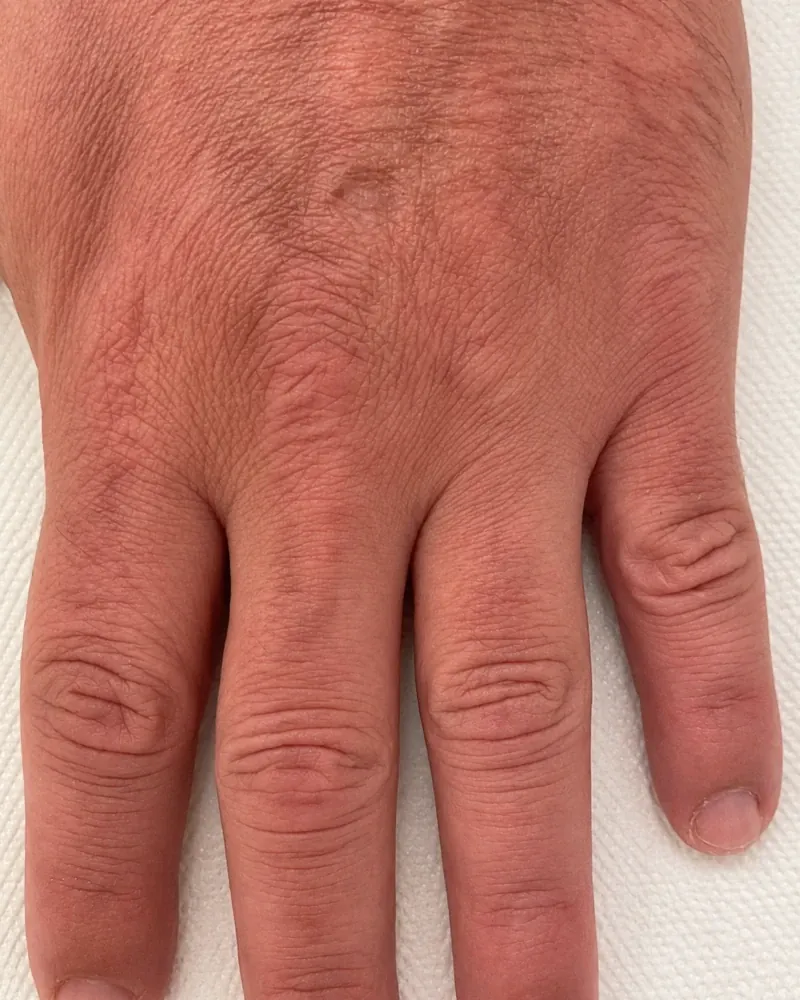
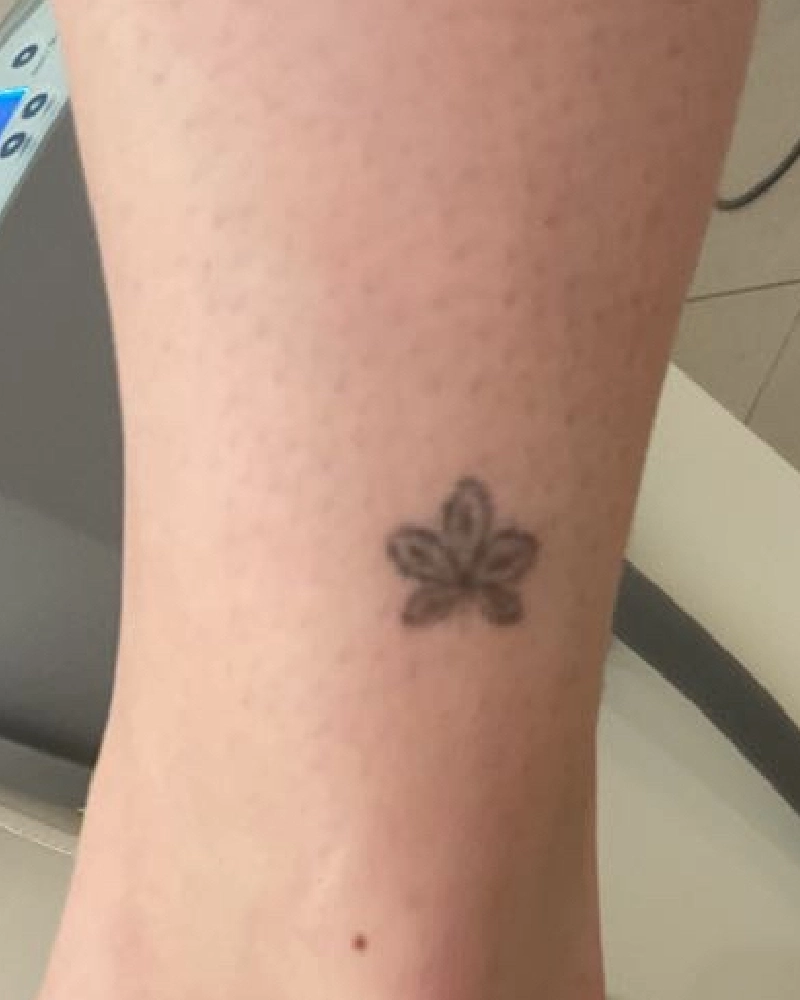
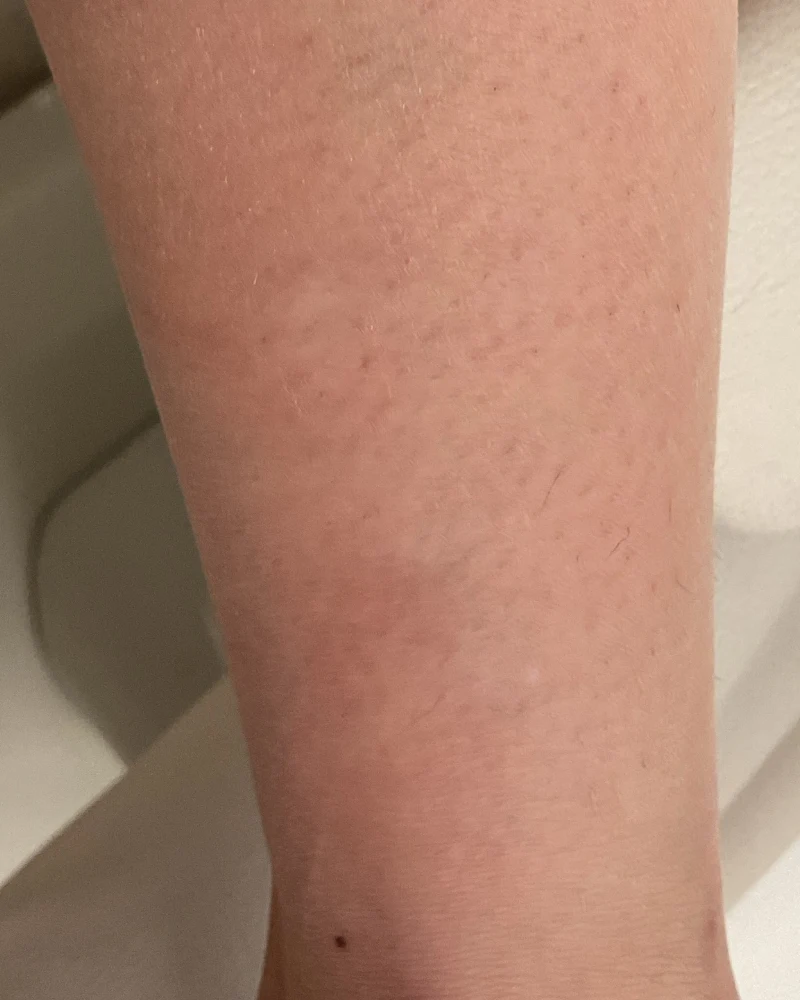
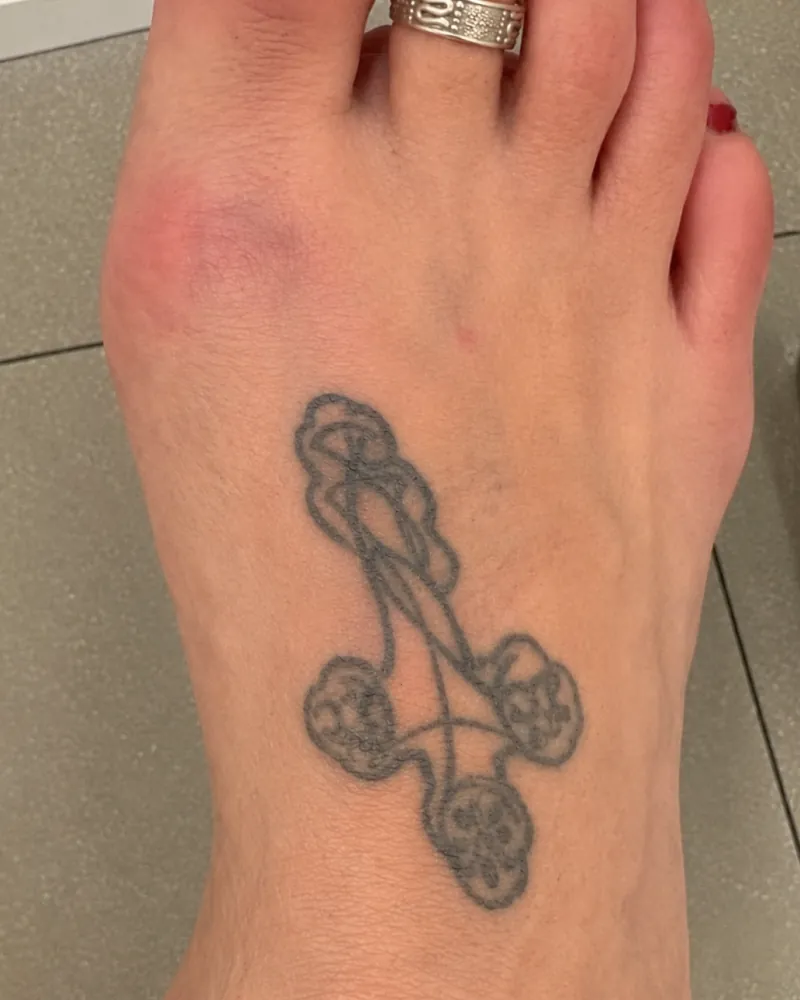
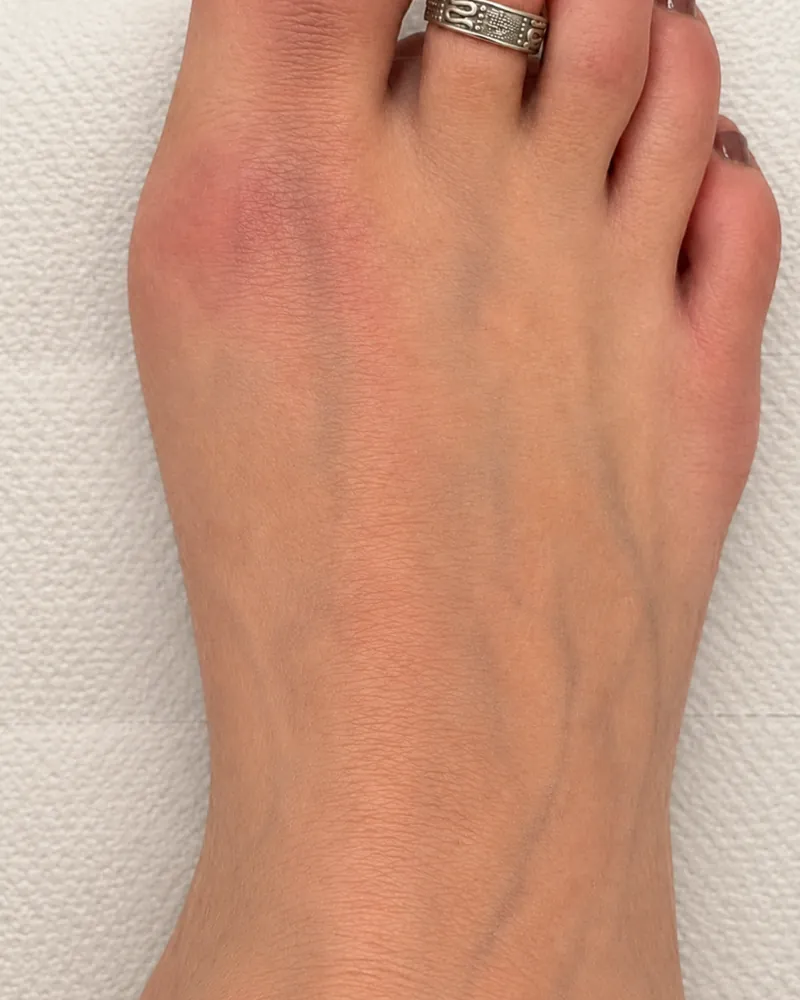
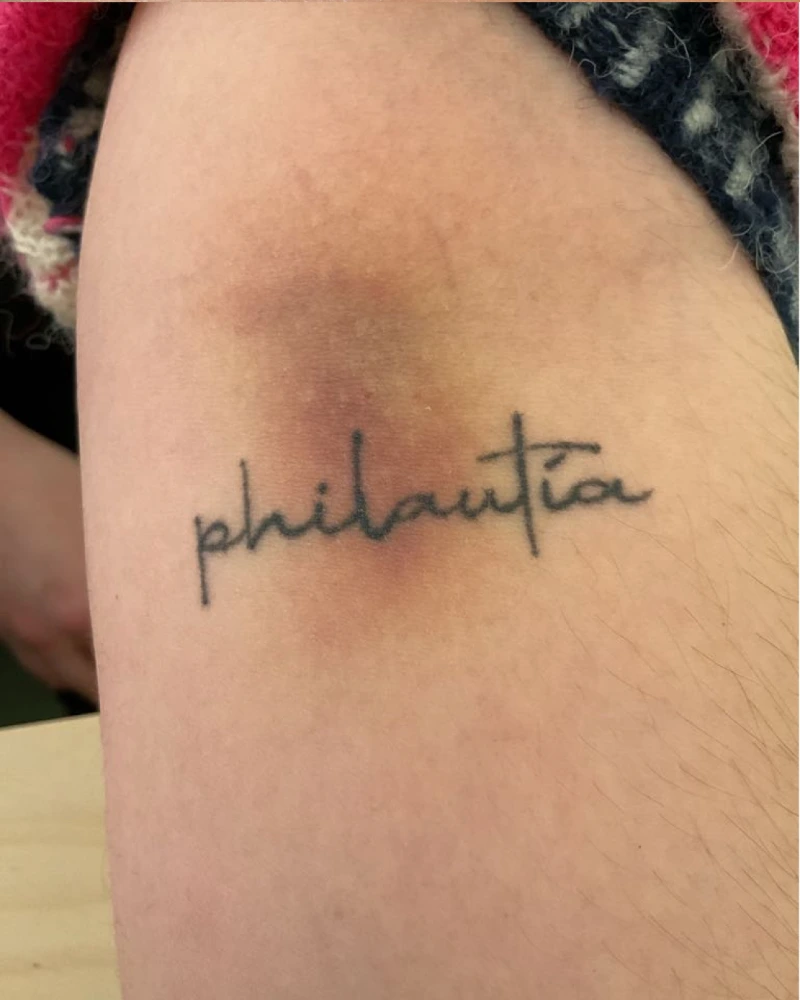
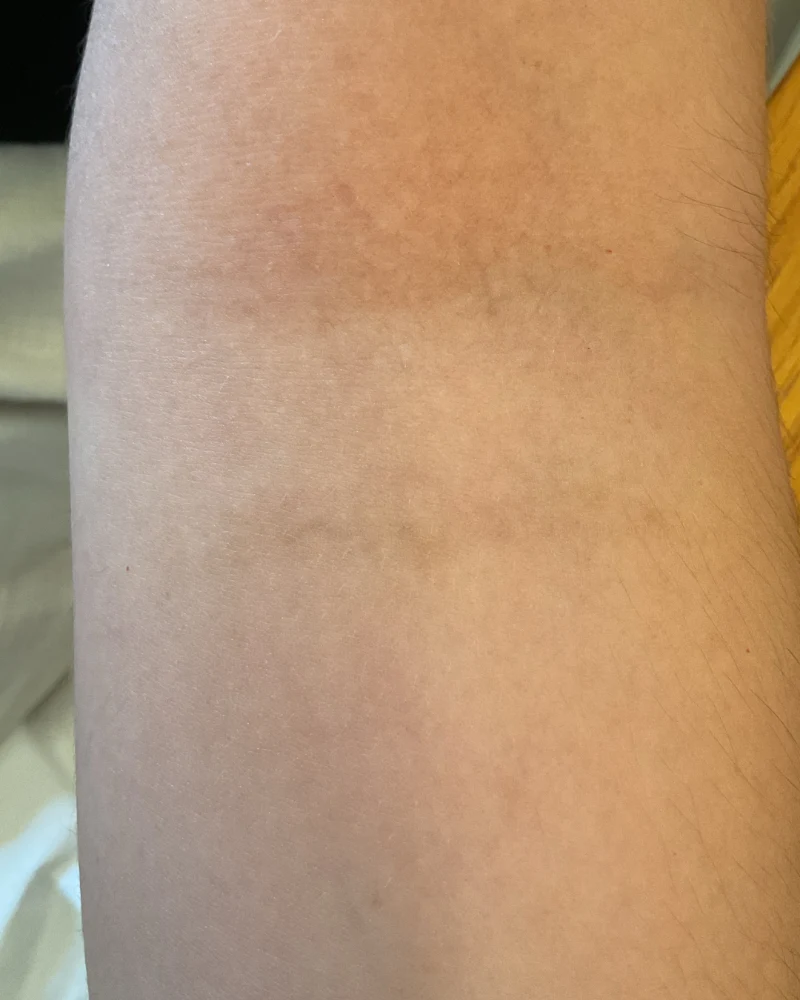
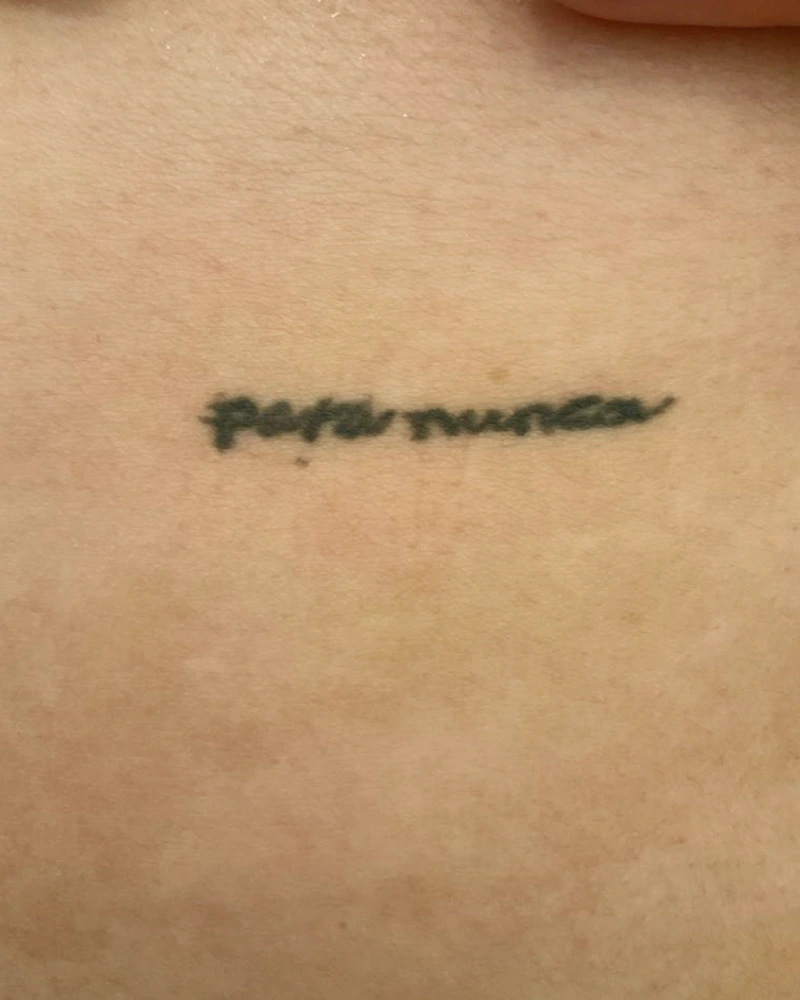
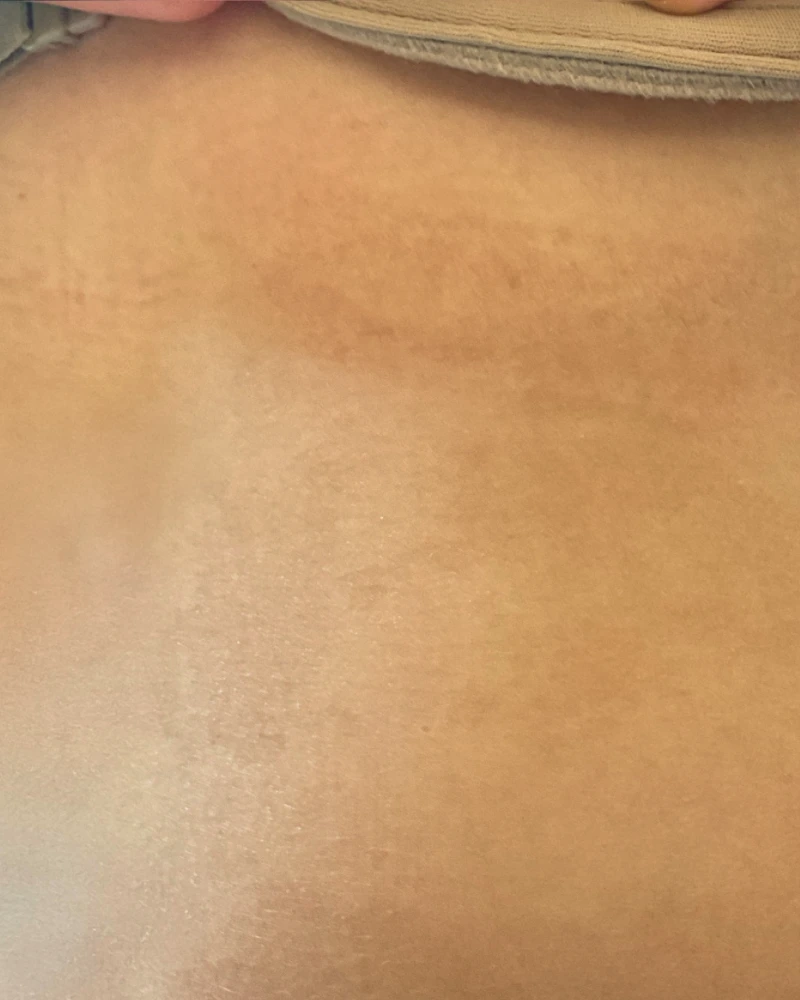
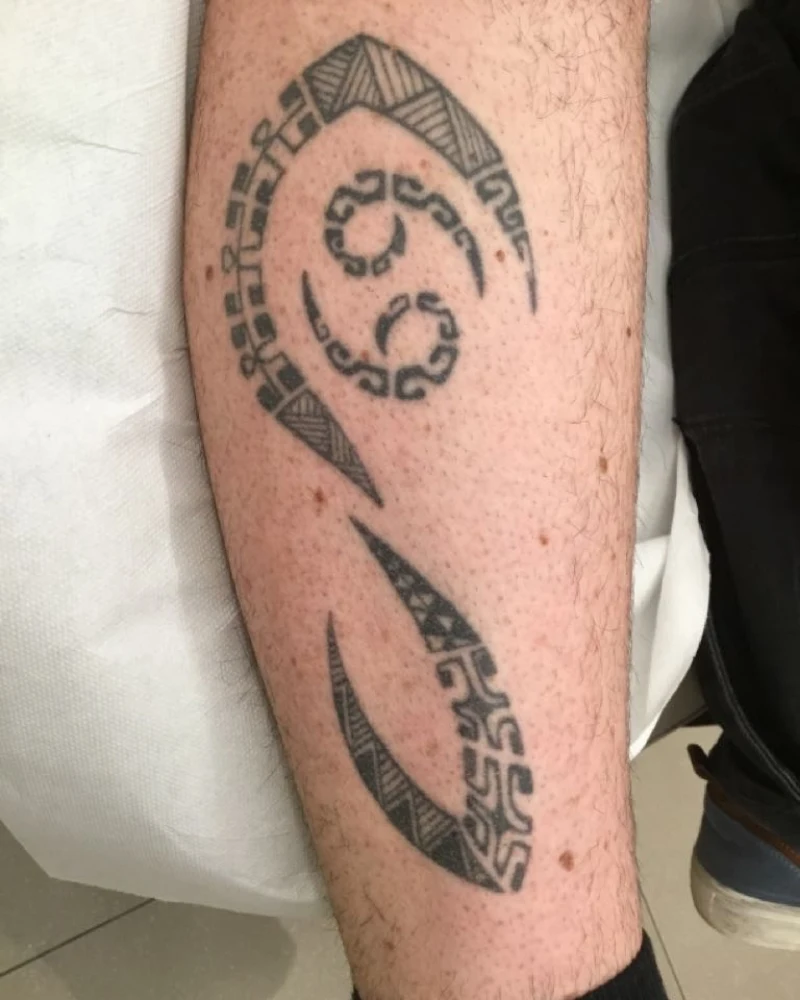
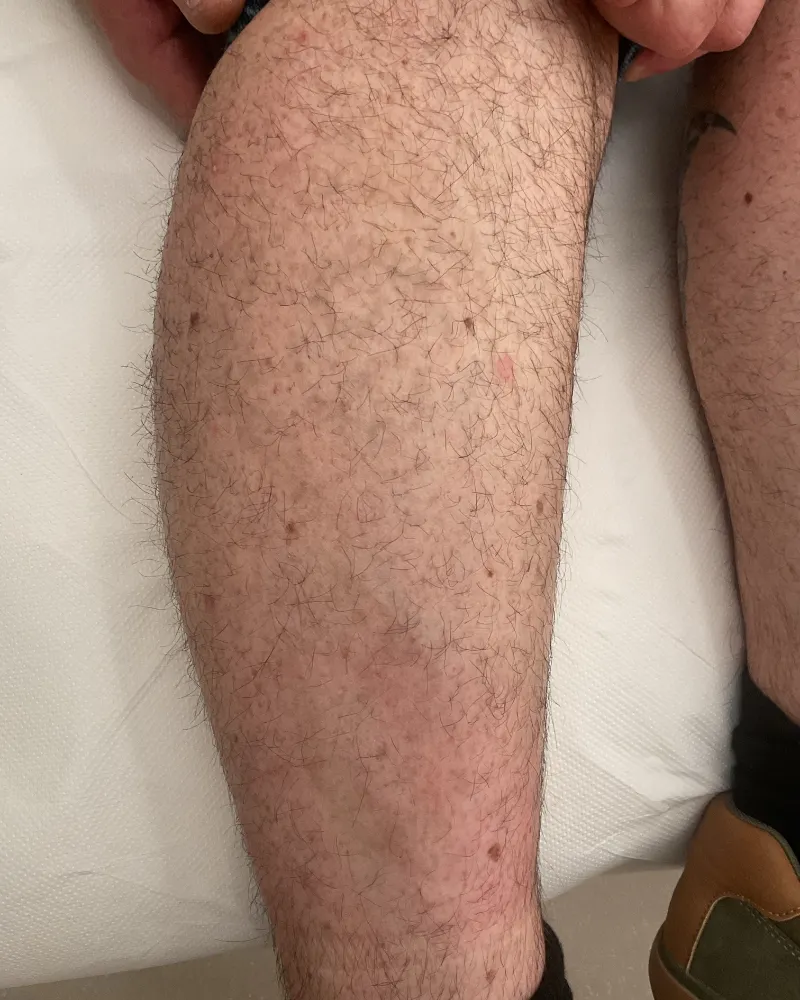
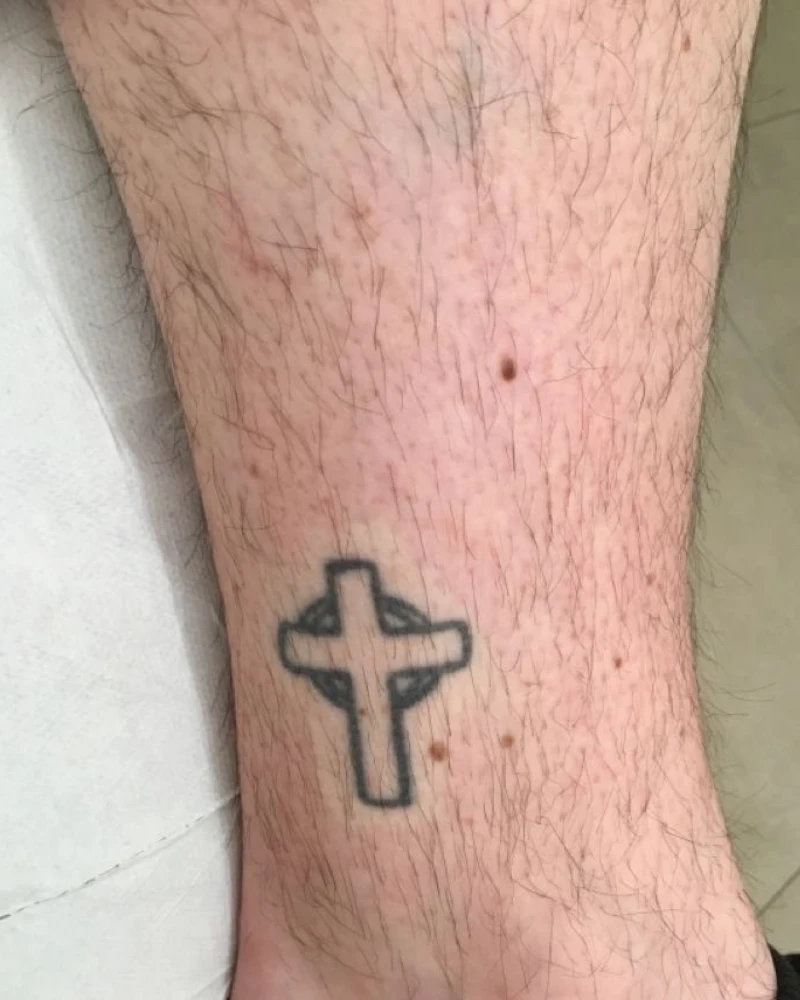
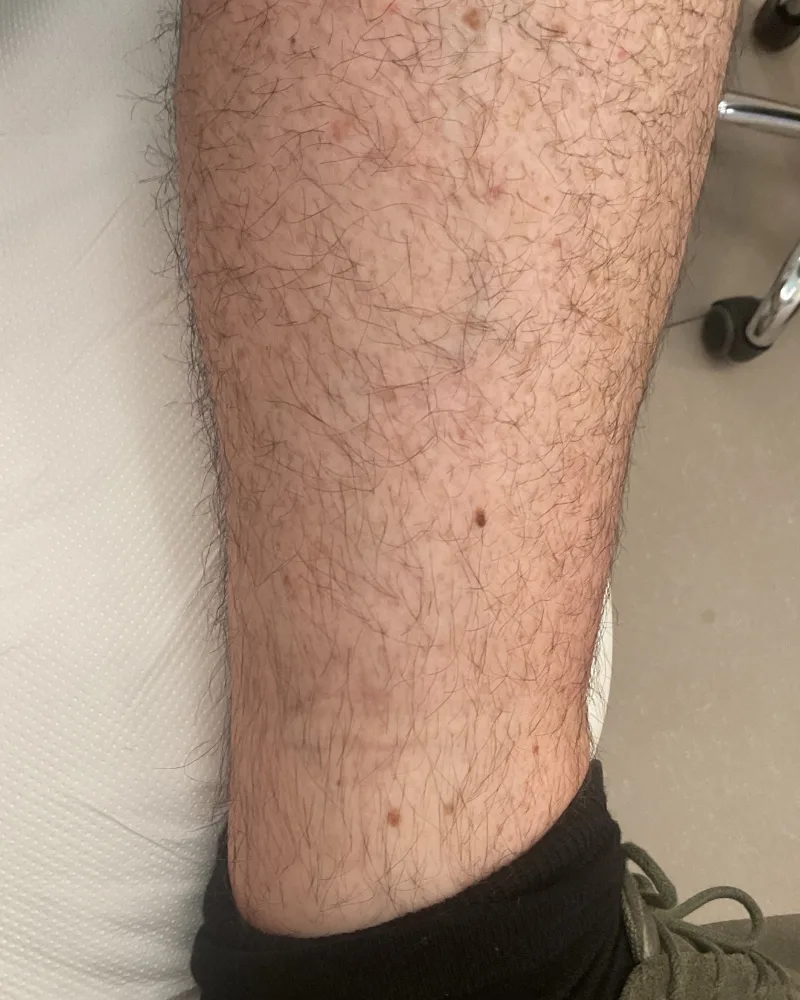
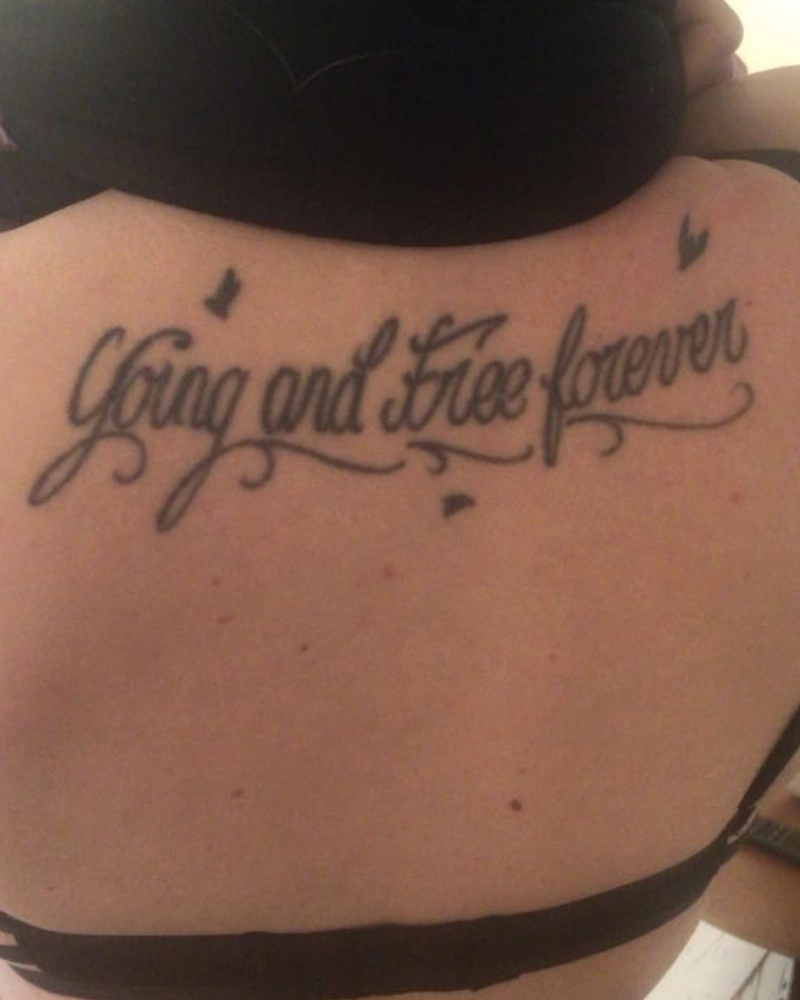
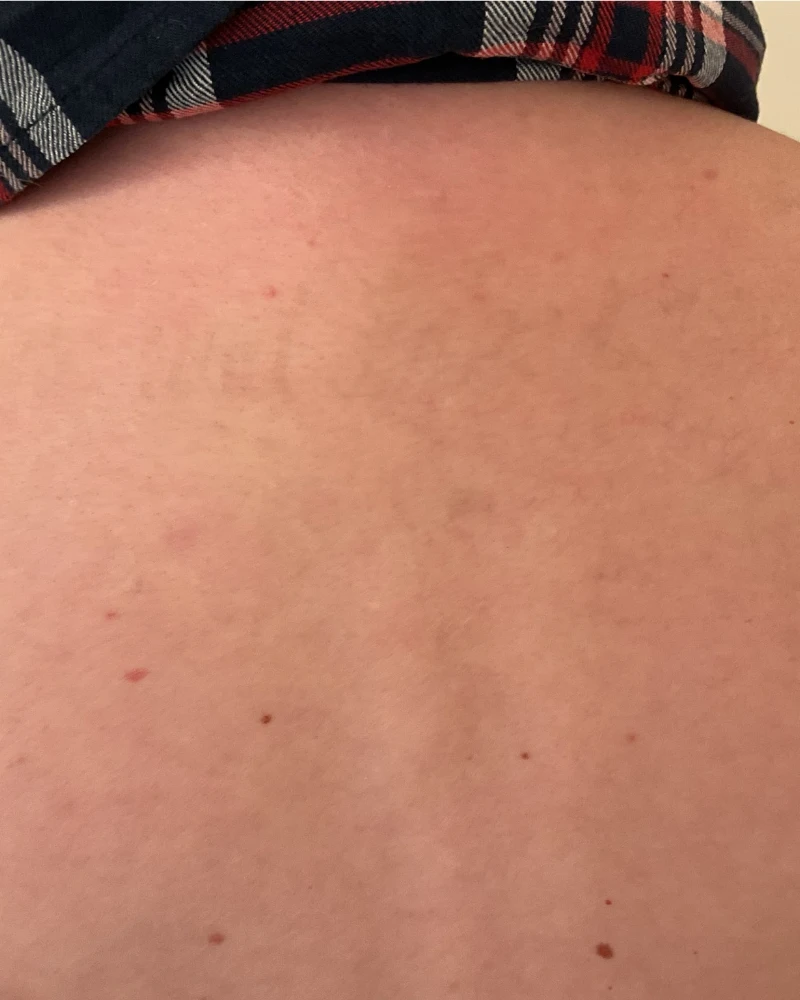
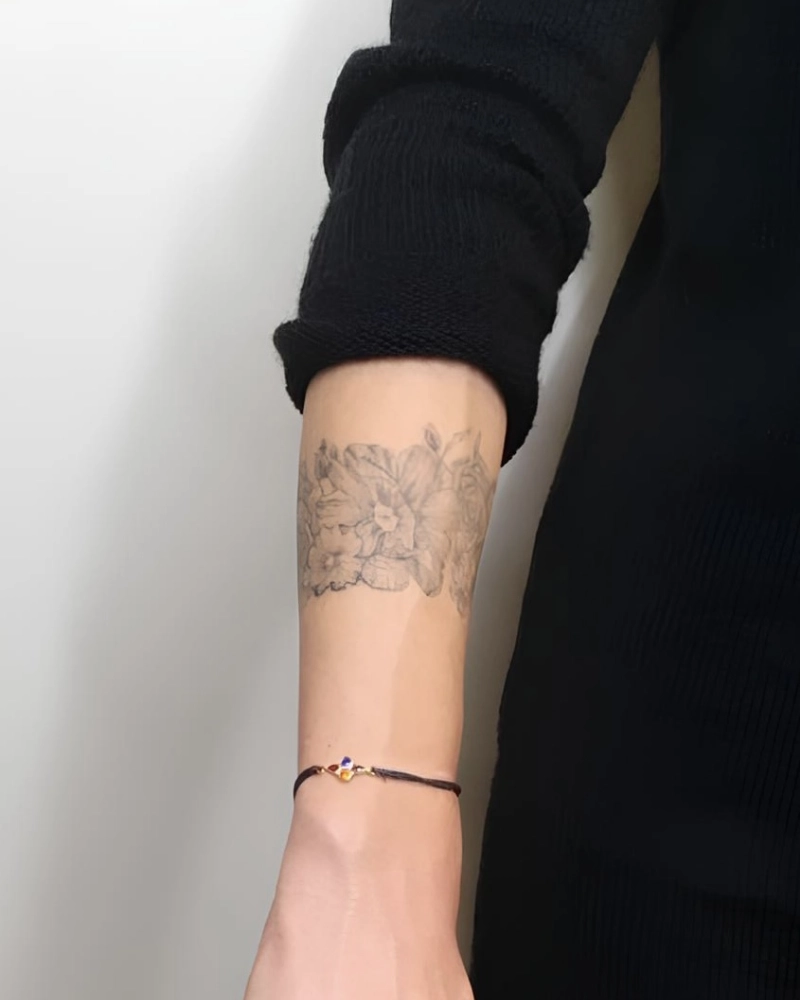
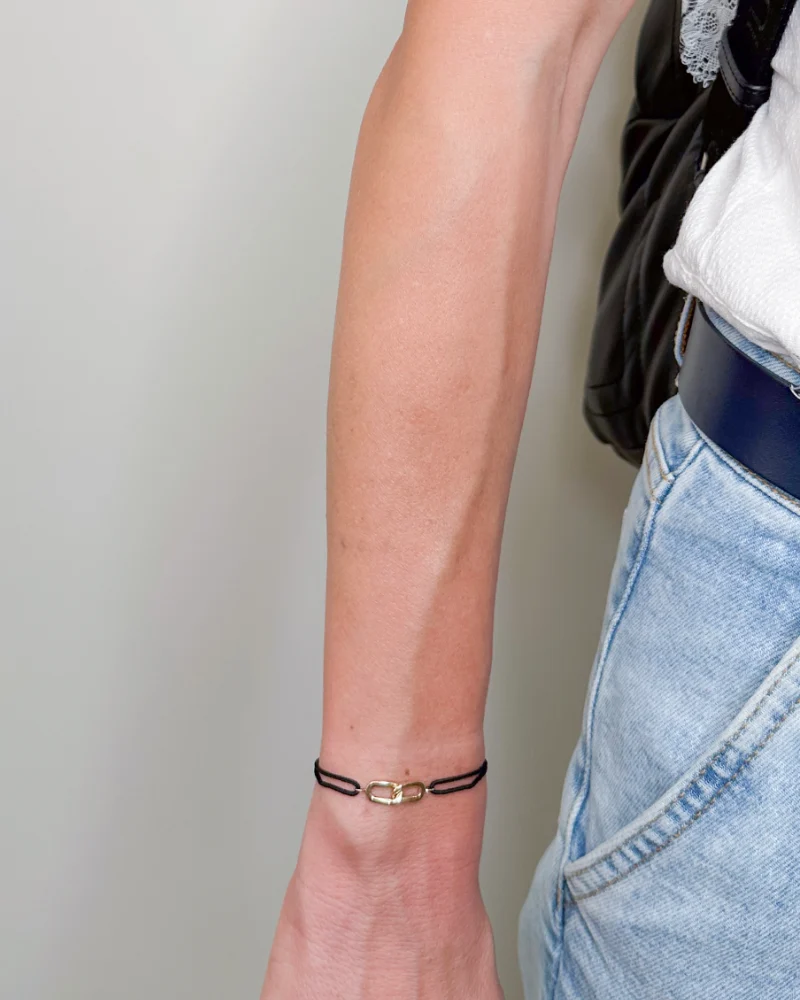
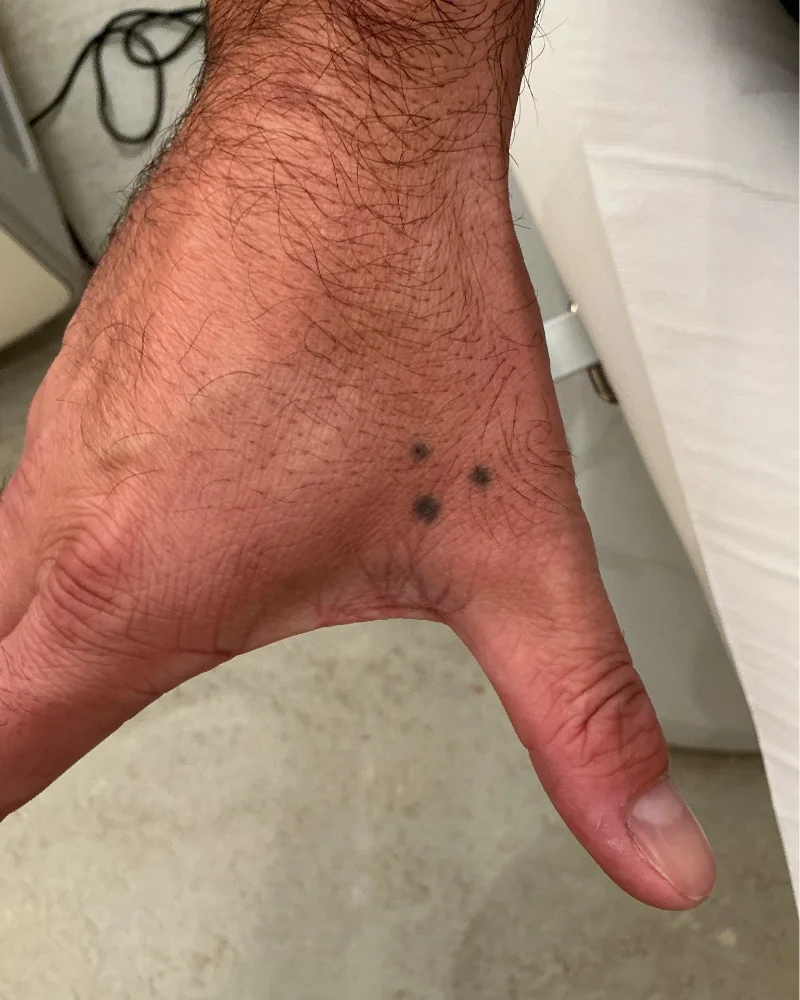
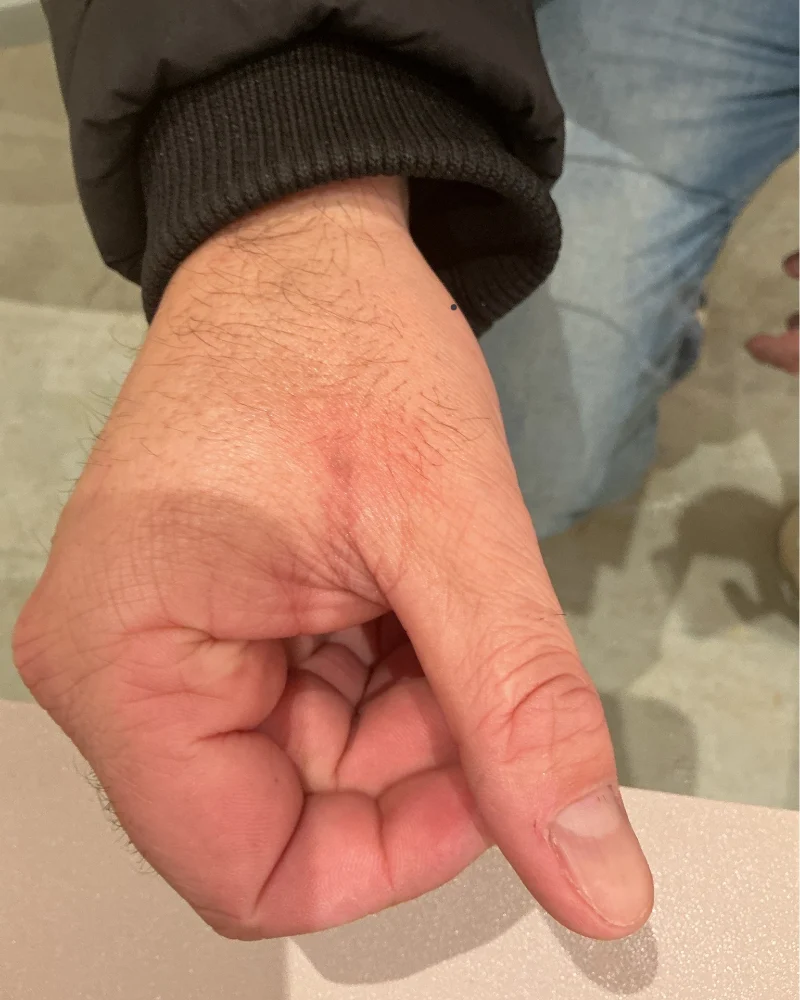
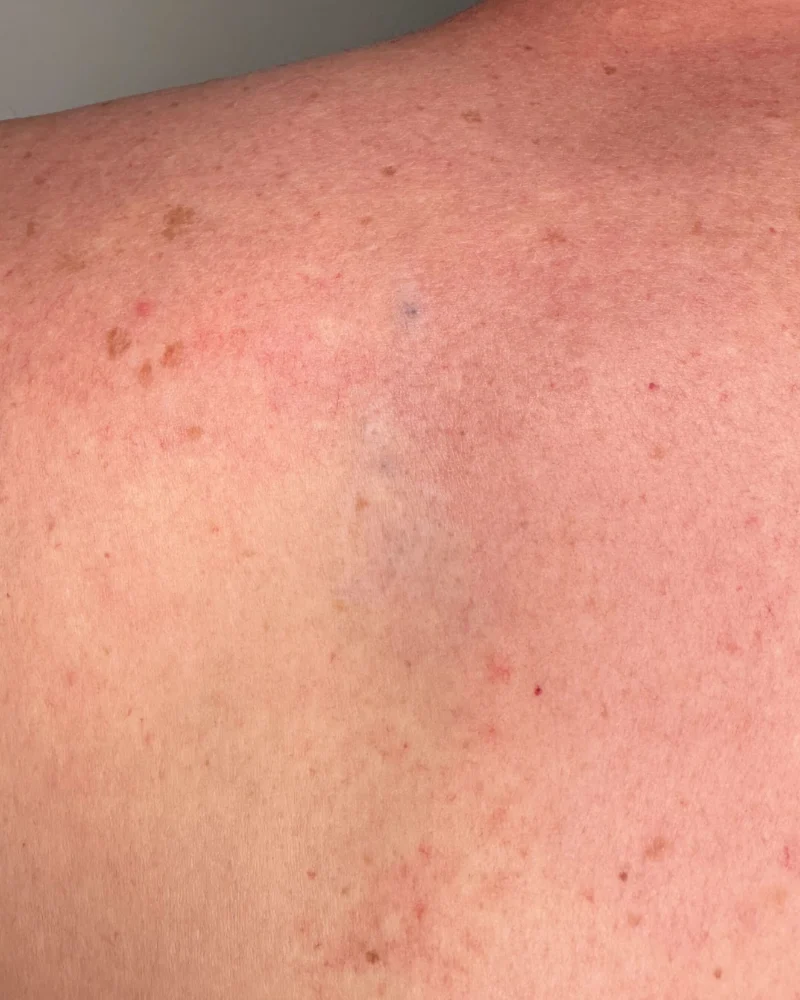
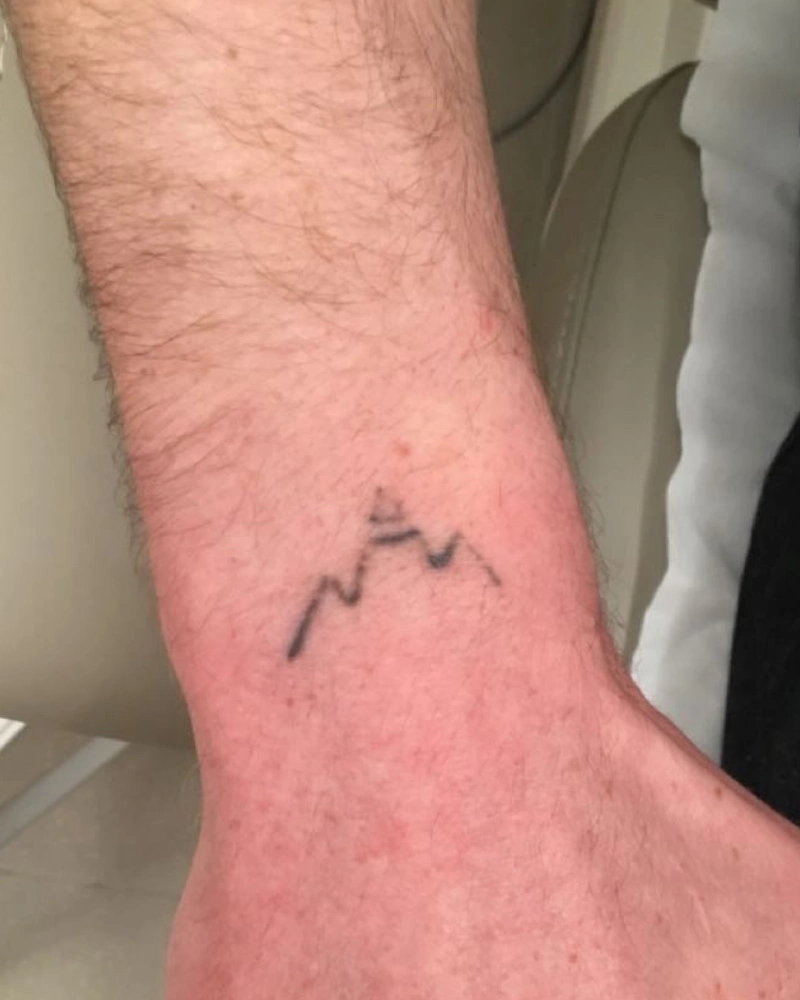
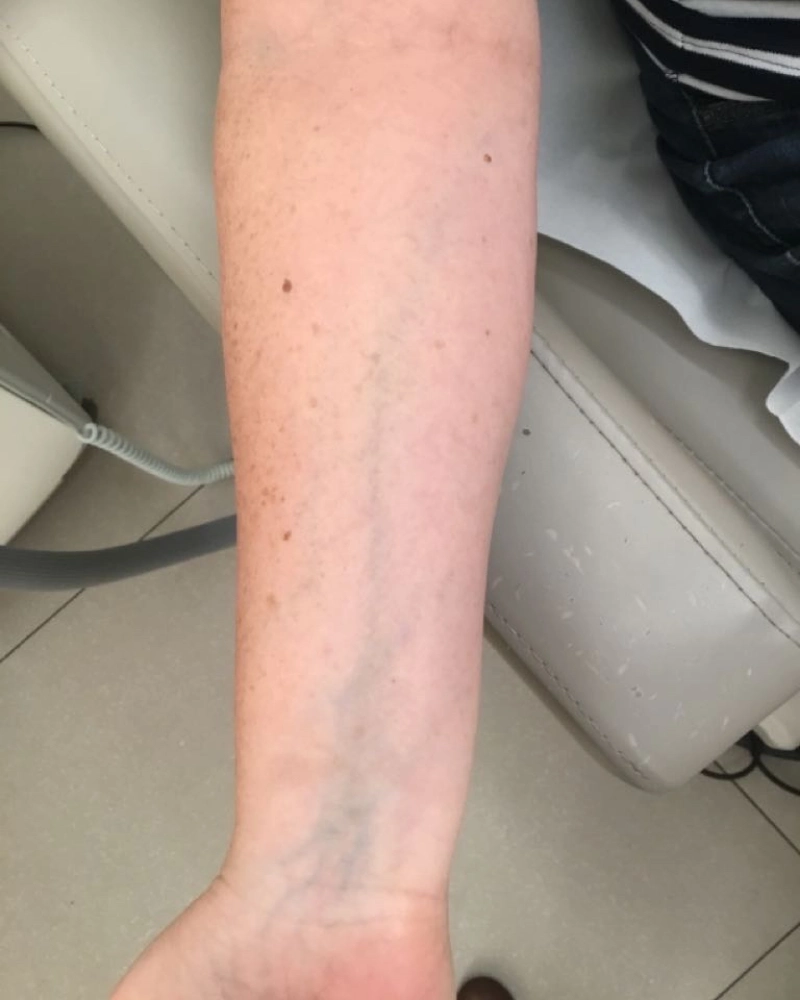
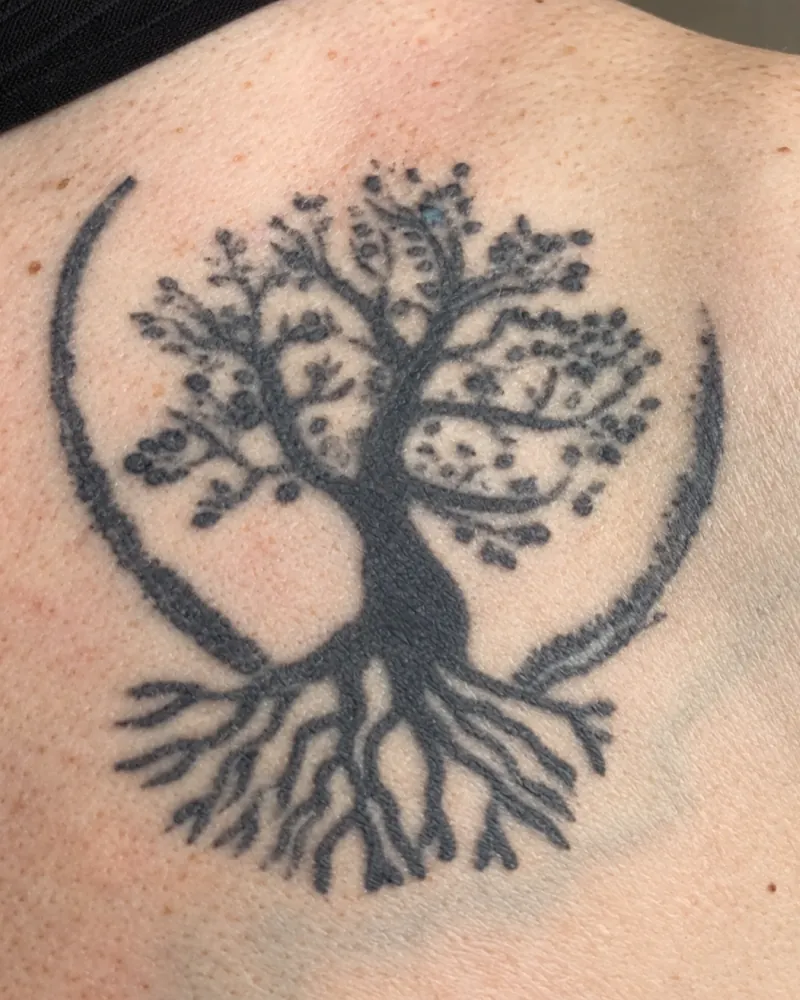
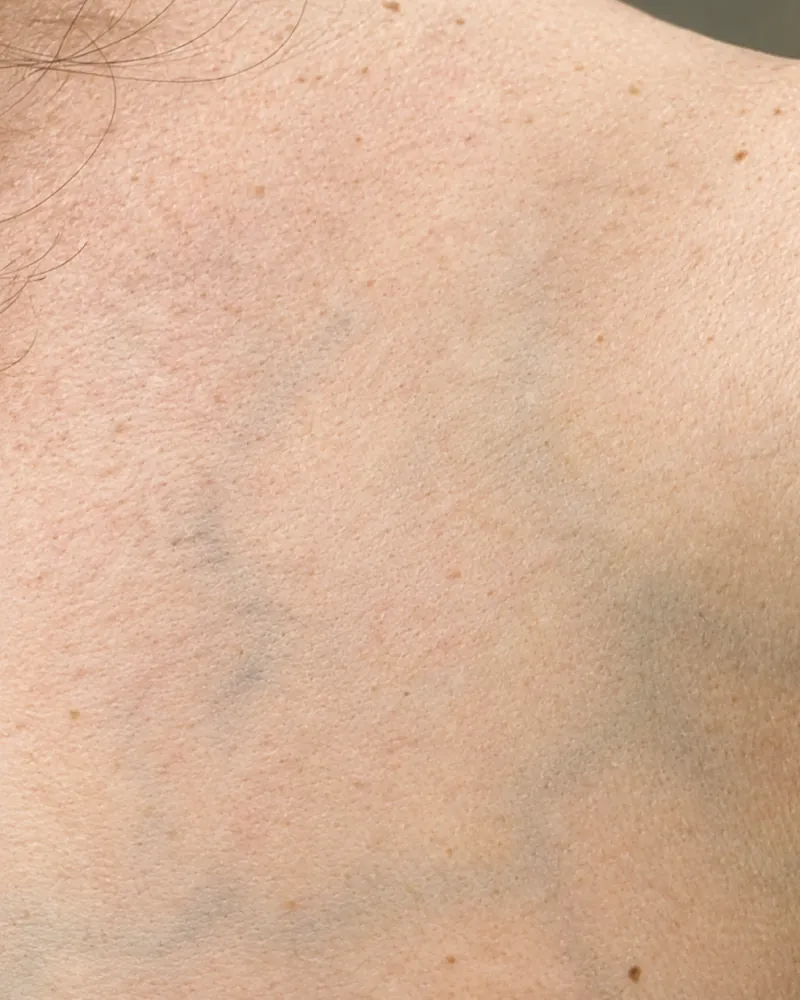
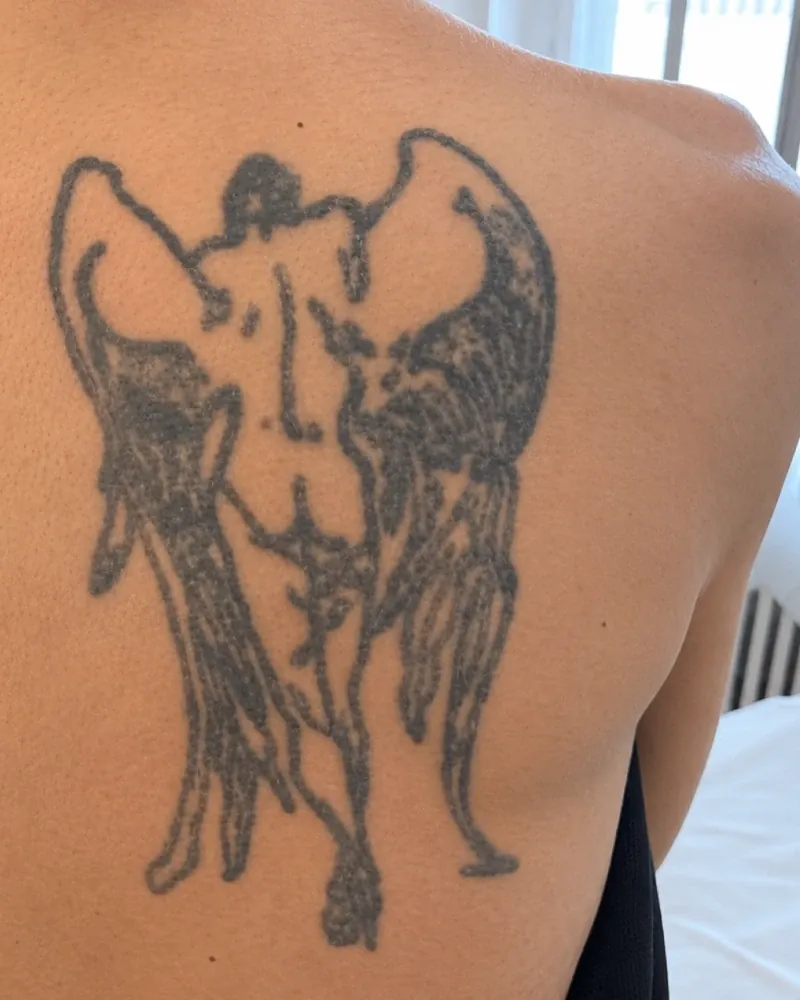
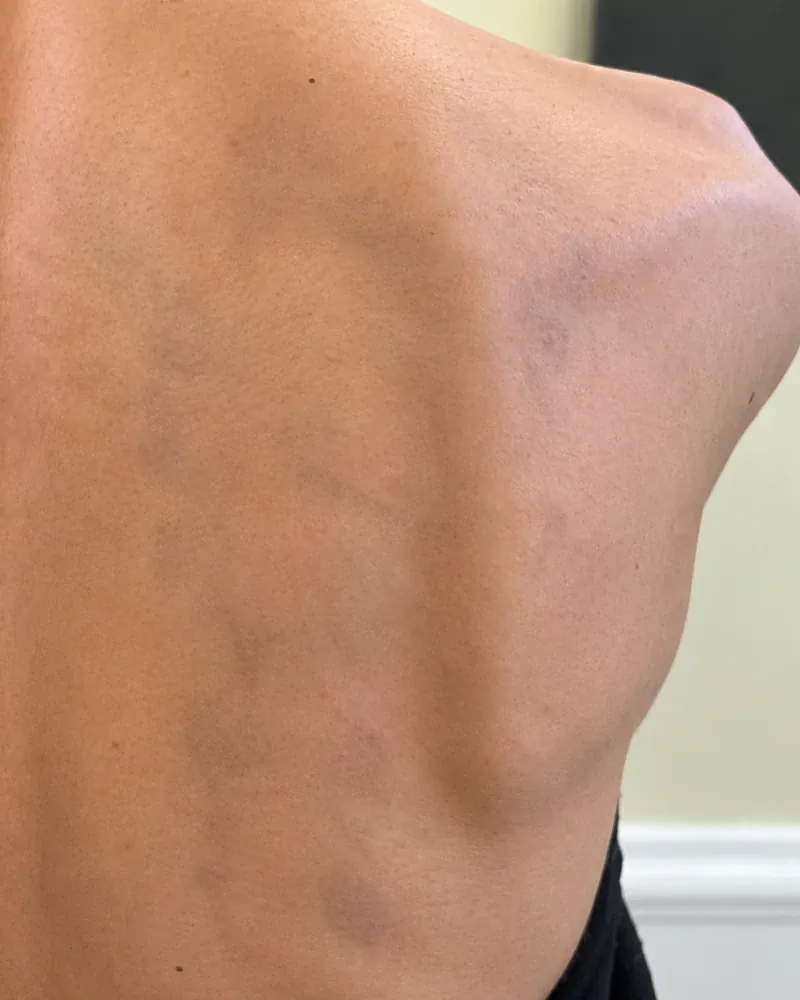
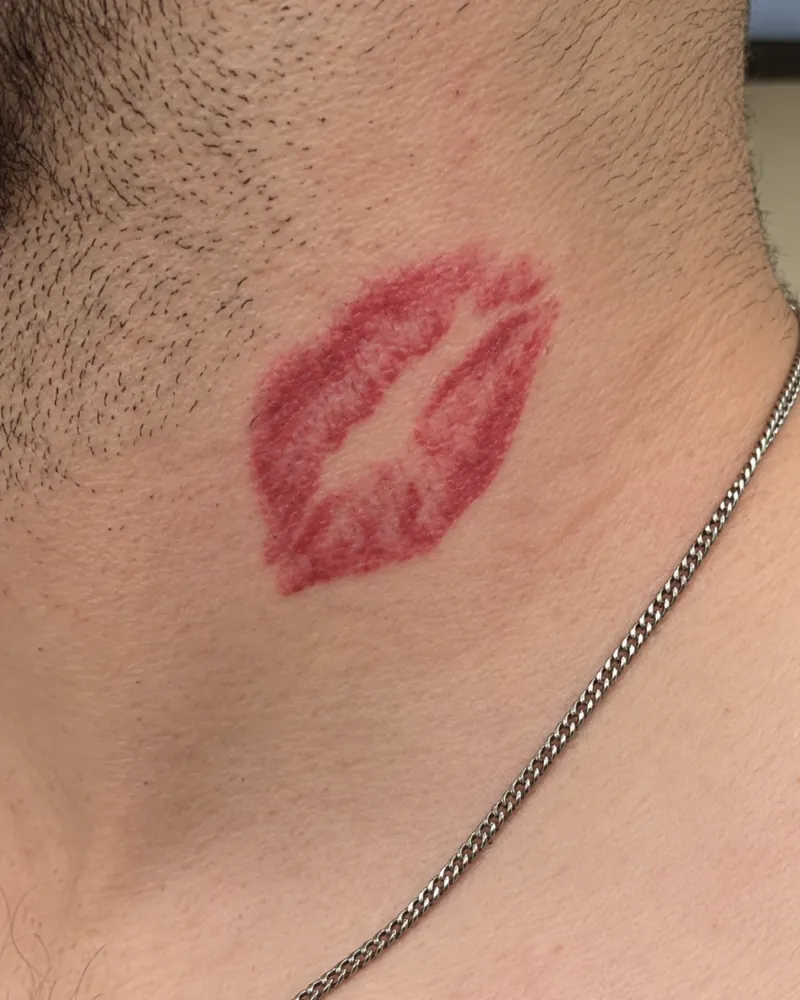
Tattoo removal before and after photos
Discover results you can see for yourself. Each photo shows real cases treated with our exclusive RsAP® method and the power of picosecond technology. Safe tattoo removal, with gradual progress session after session.


Each session brings you closer to your goal
With our exclusive RsAP® method and PicoWay® technology, every session is planned to fade your tattoo safely and gradually. Our personalised protocols are designed for consistent, careful treatment while maintaining the health of your skin.

Unparalleled expertise in laser tattoo removal
Book appointment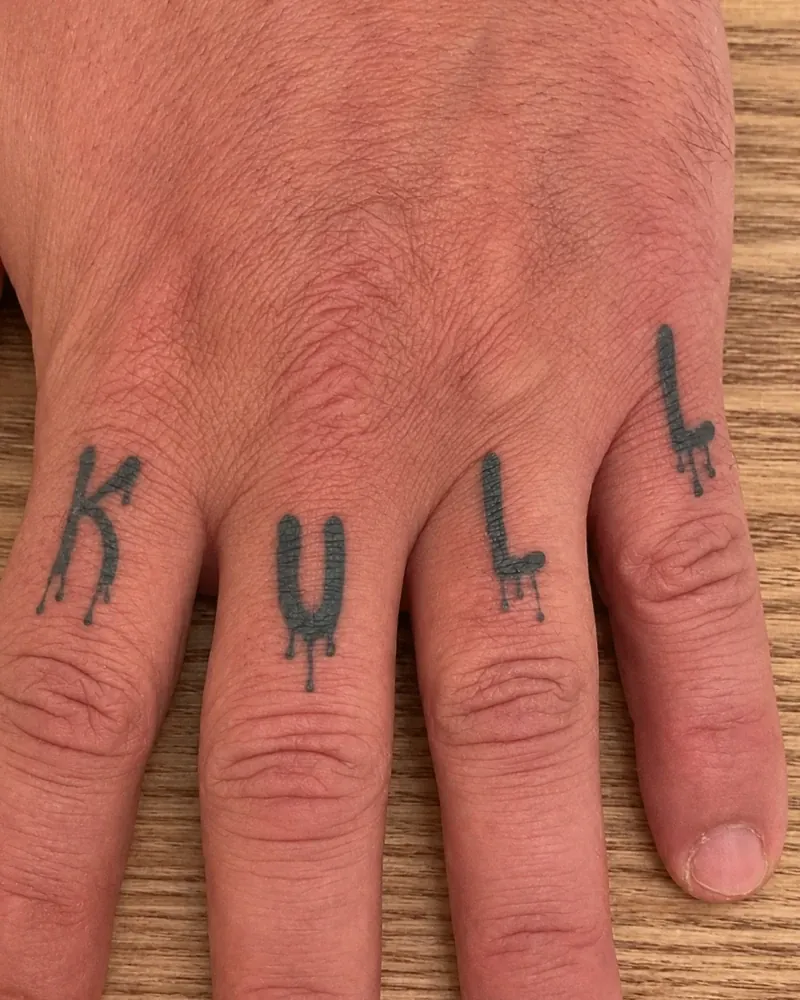


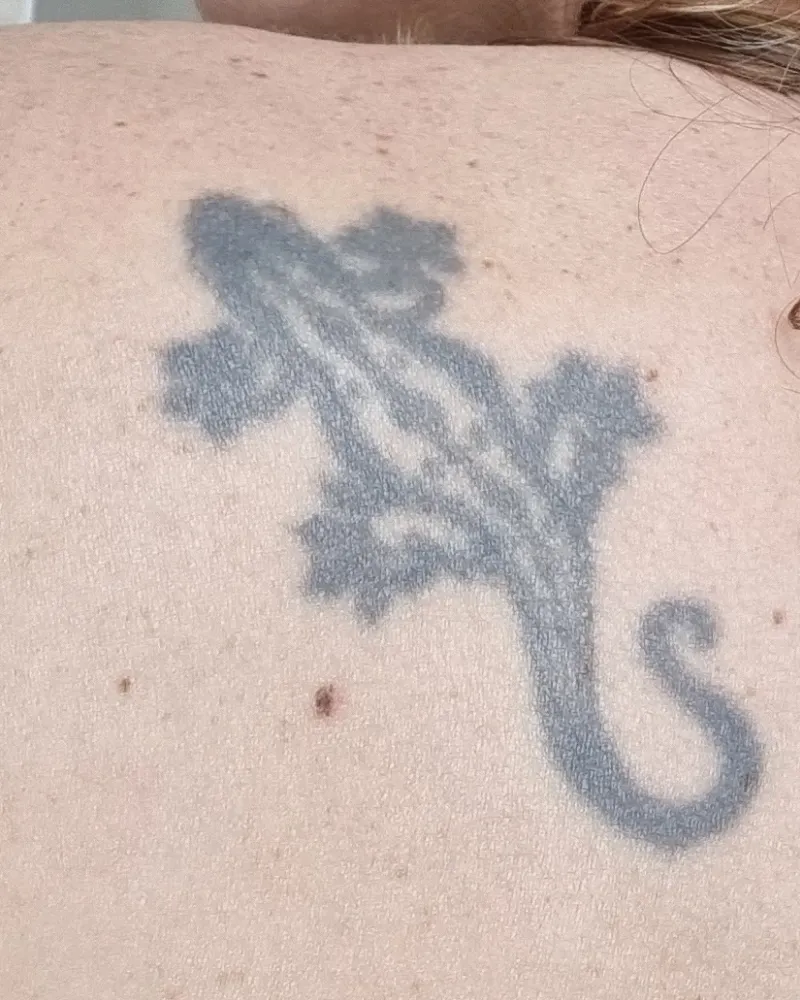
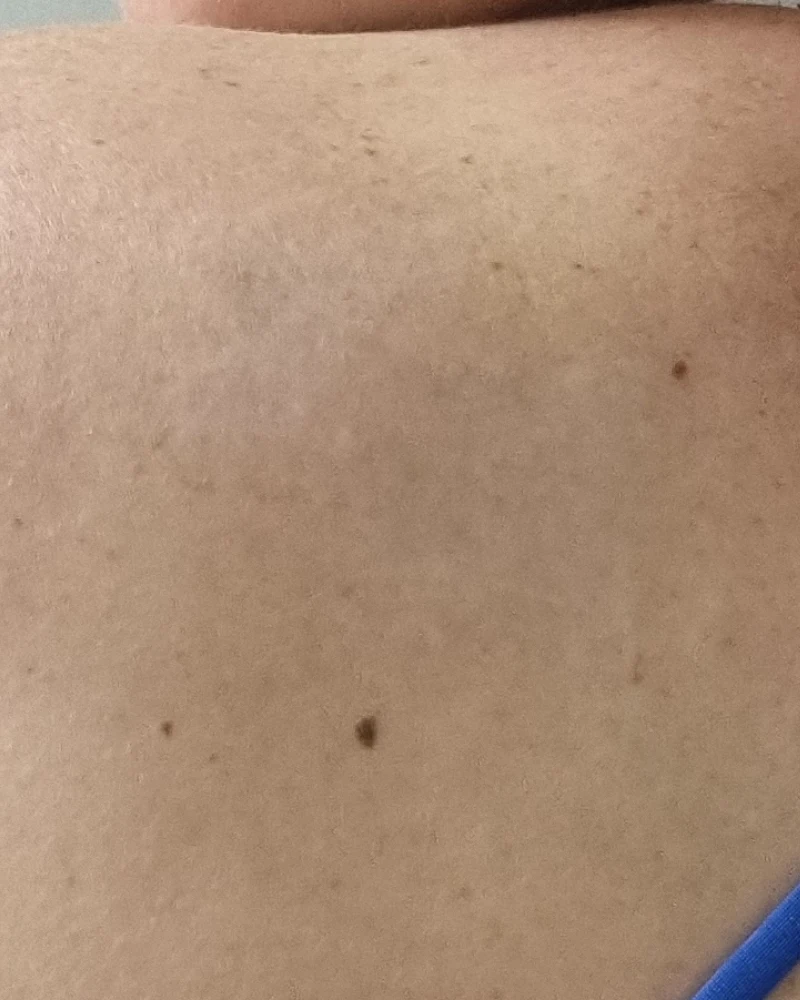
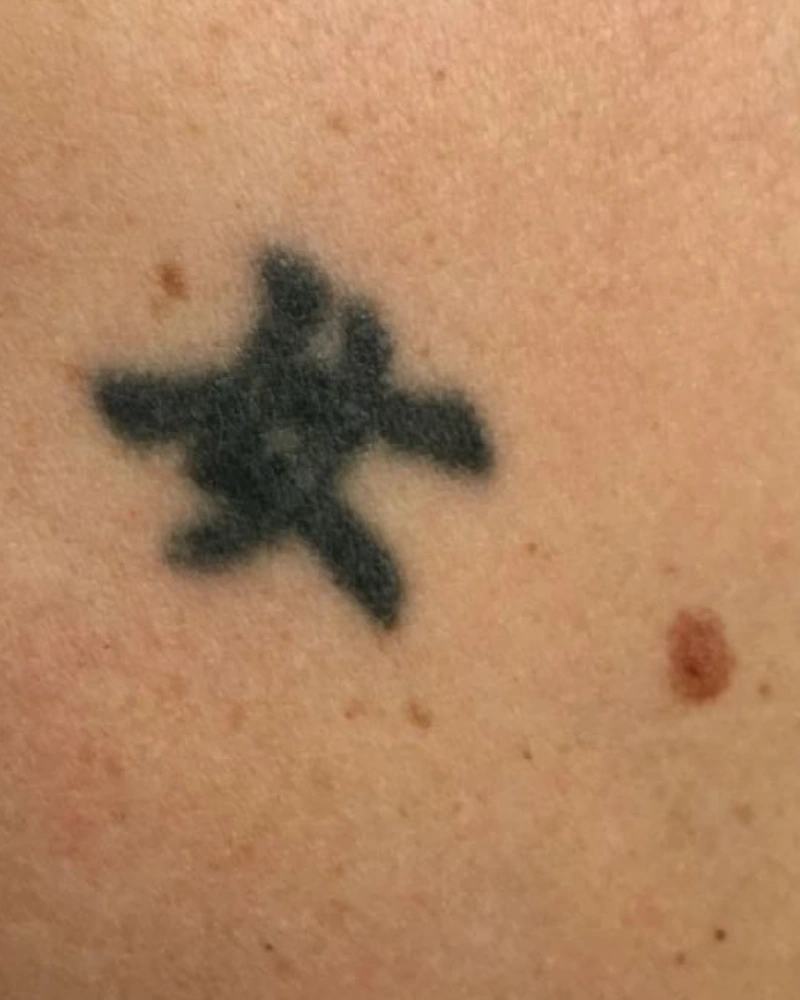
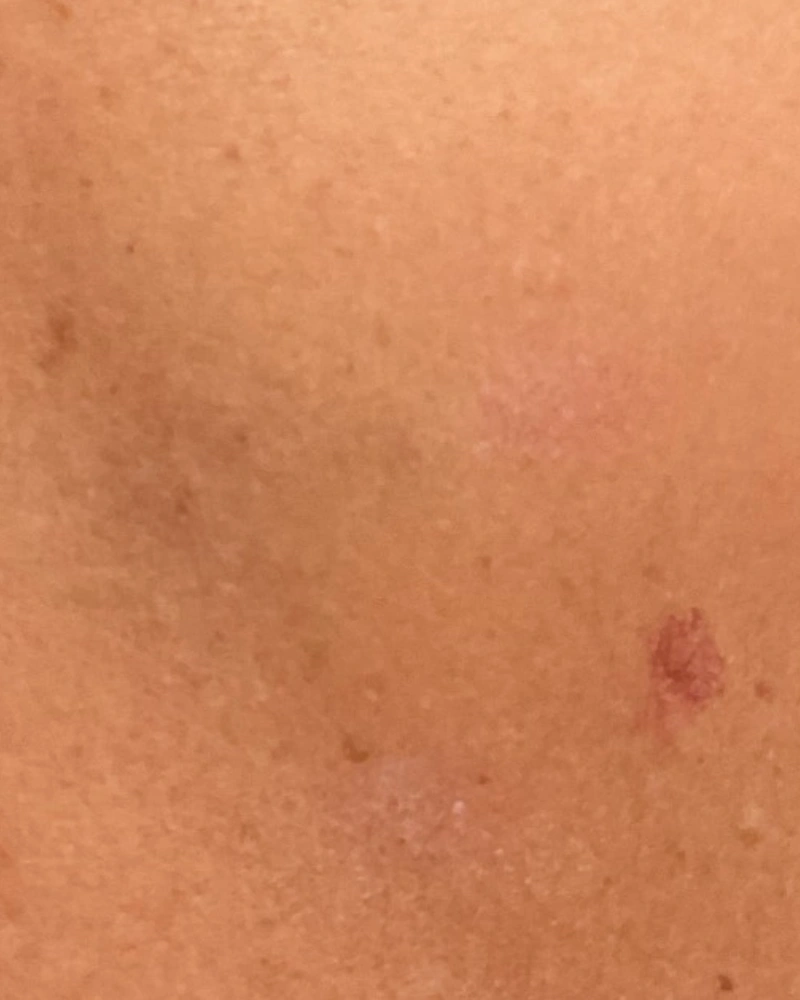







Comfort and results: the winning combination
Everything at Ray studios is designed to give you a comfortable tattoo removal experience. We use only picosecond lasers, trusted for their precision and client comfort. Our cryotherapy device delivers a cold air jet at -30°, gently desensitising the skin during treatment.

Tattoo removal for every skin type
Our studios can handle any tattoo removal project, regardless of your skin type, skin tone, tattoo style or the area to be treated. Tens of thousands of clients have already achieved their results, whether for full removal or a cover-up. Why not you?

The key steps to successfully removing your tattoo
Book appointment
Book your appointment today
Get started in just a few clicks, our team will handle the rest!

Your personalised consultation
Start with a comprehensive consultation for your tattoo removal. We provide a tailored assessment and a transparent quote, based on your unique tattoo and skin.

Your tattoo removal session
Experience safe, effective tattoo removal with the RSaP® method, PicoWay® picosecond lasers and advanced cooling technology to maximise comfort and support your skin during each session.

Post-treatment care
Support your skin with tailored aftercare between sessions, including Rs+, our post-laser recovery cream.
Prepare your skin, optimise your session
To get the most from your laser tattoo removal session, safely and effectively, we recommend the following:
1. Avoid any laser treatment to the area in the month before your session
2. Limit alcohol and tobacco intake in the lead-up to your appointment
3. Protect the area from sun exposure with SPF 50 for the 15 days prior to your session
4. Stay well hydrated in the days before, aiming for at least 1.5 litres of water per day
5. Shave or remove hair from the area on the day of your session (eyebrows excepted)
6. Do not apply any cosmetics, perfume, or makeup to the area in the 24 hours before your session

Taking care of your skin after your session
Following your laser tattoo removal, please follow these aftercare steps:
1. Keep the bandage on for 24 hours. If you need to shower, protect the area with cling film
2. After 24 hours, you may shower and re-dress the area on dry skin using petroleum jelly, a compress and a bandage
3. Pat the area dry gently after showering, do not rub or scrub
Avoid baths and swimming throughout the healing period
4. Change the dressing daily until the skin is fully healed, which typically takes around 10 days

Nos centres en Europe
Découvrez nos centres de détatouage, équipés des dernières technologies pour un effacement optimal. Des médecins vous accompagnent à chaque étape pour un résultat sûr et personnalisé. Tout a été fait pour que vos séances de détatouage se déroulent dans les meilleures conditions et que vous vous sentiez bien !

Exclusive aftercare with Rs+
With Rs+, our clinically developed post-laser recovery cream, Ray studios provides a tailored aftercare programme designed to support skin regeneration and enhance the results of your tattoo removal.

Want a precise assessment and a personalised quote?
The surest way to get a clear picture of your tattoo removal journey is to book an initial consultation. Our trained Therapists will carry out a thorough assessment of your tattoo and provide a personalised quote.
Book appointmentFAQS
How long does it take to see the first results?
The first results generally appear in the weeks following the session. The laser breaks down the pigments immediately, but their elimination is gradual. This is why the tattoo often continues to lighten several weeks after treatment. The speed of this process depends on the tattoo and each person's metabolism. Some customers already notice a visible difference after the first session.
Can a tattoo be completely removed?
In many cases, a tattoo can be removed very significantly. Black inks respond particularly well to treatment, while some colours may be more difficult to eliminate completely. The outcome depends on the depth, density, and age of the tattoo. A consultation with a qualified professional or skin therapist allows for a precise assessment of the removal potential.
Does laser tattoo removal always leave a scar?
No, laser tattoo removal does not generally leave a scar when it is carried out by a skin therapist and the aftercare is followed. Scars are rare and usually avoidable. The PicoWay® picosecond laser targets the pigments while sparing the surrounding tissue, which greatly reduces the risk of scarring. A scar is almost never caused by the laser itself, but by avoidable factors such as picking a scab, bursting a blister or being exposed to the sun while healing. Professionally supervised treatment, with settings suited to your skin and rigorous follow-up, puts this risk at its lowest. Temporary redness and scabs are not scars.
Can tattoo removal reveal a scar that was already there?
Yes, the original tattoo may have left a scar that stayed invisible as long as the ink covered it. This happens above all when the tattoo was done with a heavy hand, on heavily saturated areas, or over an older tattoo. The tattooing itself marked the dermis, and that mark is hidden by the colour. When removal takes the ink away, the pre-existing scar shows, but it was not caused by the laser. This is why an in-person examination beforehand is essential: at the information appointment, the skin therapist looks for these hidden scars and tells you about them before treatment starts.
Which tattoo colours are hardest to remove?
Yellow, white, pastel shades and certain light greens and blues are the most stubborn, because they absorb laser energy poorly and require more sessions. Black and dark blues, by contrast, respond very well. White calls for particular caution: it often contains titanium dioxide, which can react to the laser by darkening, shifting towards grey or black. This does not happen systematically, but it justifies a test on a small area before treating a design with a lot of white or pale colours, so the pigment response can be observed and the approach adjusted.
Can a fully coloured tattoo really be removed?
Yes, a full-colour tattoo can be faded, and in many cases cleared, though treatment is more complex and takes longer than for a black one. Feasibility depends on the colours present and the laser used: since each shade is only absorbed by a specific wavelength, a multicoloured tattoo requires a device covering a broad spectrum, such as a multi-wavelength picosecond laser. Black and dark shades clear most readily, while some bright or pale colours take more sessions. "Feasible" does not mean "guaranteed 100% on every shade": only an individual assessment can establish what is realistic for your particular tattoo.
Is an old coloured tattoo as easy to remove as an old black one?
Not always. Age helps, but colour remains a major factor. An old black tattoo combines two advantages, the fading that comes with time and a colour that absorbs the laser well, which makes it a favourable case. An old tattoo done in stubborn colours, such as green, yellow or some light blues, does not fully benefit from the advantage of its age, because those shades reflect more of the laser's light and require more sessions. An old cover-up, which layers two coats of ink, is also more complex to treat. This is why the assessment takes age, colour and density together, rather than age alone.
Are results as good as on lighter skin?
Yes, results can be very good on darker skin when the treatment is properly performed. Black pigments respond particularly well to laser treatment. Some colours remain more difficult to remove, but this applies to all skin types. The key factor is the quality of the treatment protocol and the expertise of qualified professionals or skin therapists.

Not happy with your tattoo any more? Start with an initial consultation with a skin therapist.
Book appointment