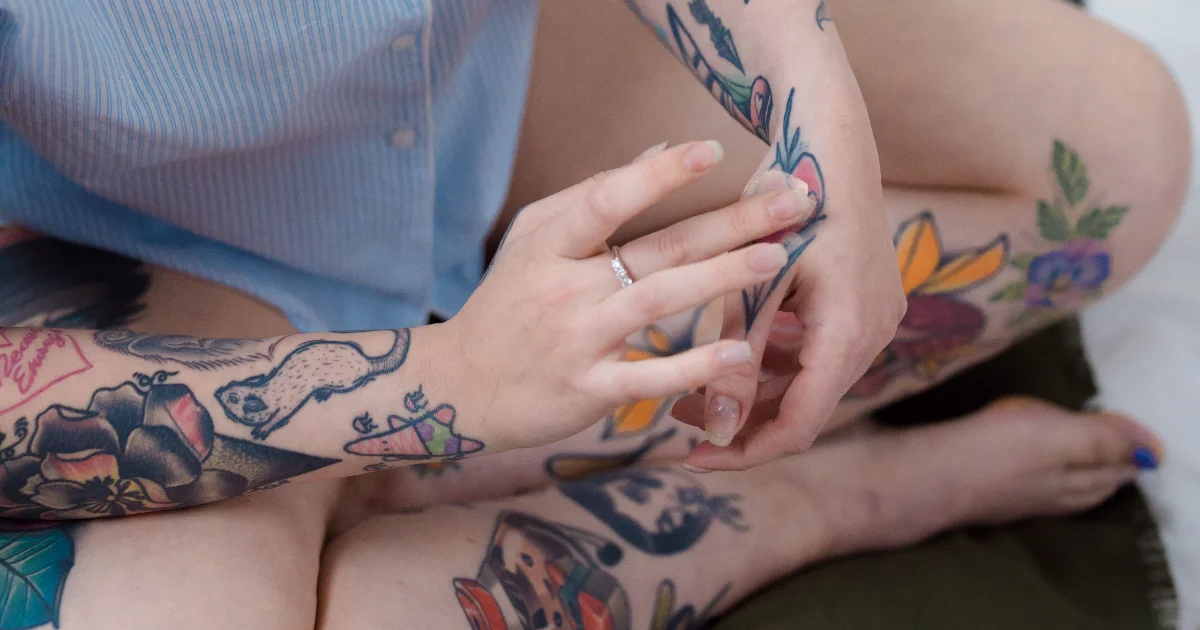
Botched Tattoo: What to Do Depending on the Problem
A botched tattoo can become a daily annoyance, an aesthetic or emotional weight. Depending on the problem, there are solutions today. Individual results vary.

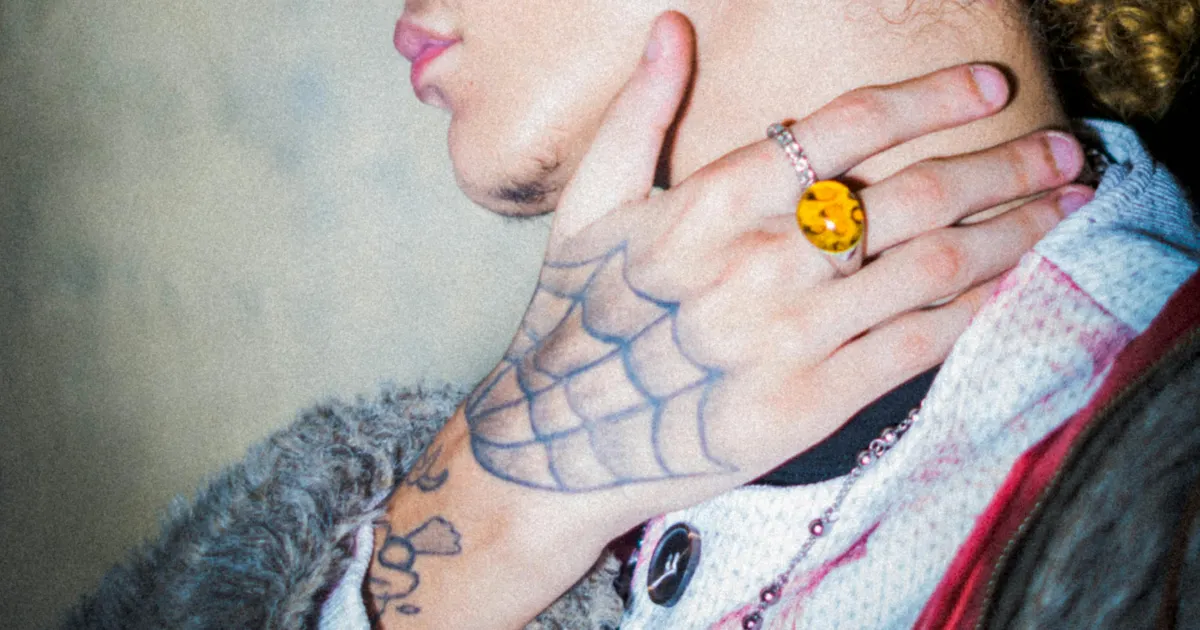
A tattoo is often thought of as permanent. Yet the result does not always match the original intention. The design may be poorly executed, may have aged badly, or may no longer represent the person wearing it. In these situations, the tattoo becomes a constant reminder of a mistake, a rushed choice or a period of life you would rather leave behind.
A botched tattoo is not simply an aesthetic flaw. It can create deep discomfort, a loss of confidence, even real distress. That is precisely why it is essential to identify the problem clearly before considering a solution.
Today, with laser tattoo removal, it is possible to work in a targeted and gradual way, without damaging the skin.
What do we actually mean by a botched tattoo?
A tattoo is considered botched as soon as it causes a problem for the person wearing it. That problem can be technical, aesthetic or symbolic.
- In some cases, the tattoo is poorly done: uneven lines, ink badly placed, incorrect proportions.
- In others, it is technically correct but has aged badly.
- Finally, the tattoo may be well executed but no longer match the person's identity, story or current stage of life.
Whatever the situation, how you feel about it is always legitimate. And above all, each type of botched tattoo calls for a different response.
When the lines blur or lose their sharpness
Over time, some tattoos become fuzzy. Strokes widen, letters run into each other, outlines lose their precision. This happens often with fine line tattoos or on areas where the skin is more fragile.
In these cases, laser work aims above all to reduce the density of the pigment. That reduction can be enough to bring legibility back to the area or to allow for a cleaner cover-up later. When the tattoo no longer means anything or the ink has spread too far, the treatment moves towards complete removal, gradually, session after session.
When the design is unbalanced or badly proportioned
A design can be technically well executed yet visually unbalanced: too big for the area, badly centred, or distorted over time. This type of tattoo is often difficult to correct directly.
In this context, the laser is not used as a final solution but as a preparation tool. By lightening certain areas, it becomes possible to rework the design without overloading the skin. When the design is too far removed from what the person wants today, complete removal remains the most coherent option.
When the ink has aged badly
Some tattoos do not age as expected. Black can shift in tone, colours can lose their intensity, the whole piece can become patchy. This ageing is not the fault of the person tattooed: it depends on the ink, the skin and time.
With this type of tattoo, the treatment consists either of reducing the pigment enough to start again on a new base, or of supporting the complete disappearance of the design. There is no lasting cosmetic or partial fix: the laser is used strategically, according to the result you are looking for.
When the problem is mainly emotional
A tattoo can become a problem without being technically botched. A symbol, a name, a design tied to a period of life can lose all its meaning, or become too heavy to carry.
In these situations, tattoo removal is not an aesthetic correction but a gradual process of letting go. Watching the design fade session after session often helps to support that inner change without any abruptness.
When the skin has healed badly
Some skin reacts unpredictably: raised areas, lighter patches, irregularities. Before anything is done, a period of observation is sometimes necessary.
When the skin is ready, a suitable laser protocol can be considered, always cautiously. Respecting the skin's biological rhythm is essential to avoid adding one problem to another.
Why the right setting changes everything
A botched tattoo is never "standard". That is why, at Ray studios, every protocol is set by a trained skin therapist, following the exclusive RsAP® treatment protocol.
This approach makes it possible:
- to adapt the treatment precisely to the skin,
- to choose between preparation and full removal without improvising,
- to keep rigorous track of progress, session after session.
This framework is essential for a coherent result, without rushing and without unrealistic promises.
Correcting a botched tattoo: why the setting matters
A botched tattoo should never be treated lightly. Every skin, every ink, every tattoo reacts differently.
At Ray studios, every protocol is set by a skin therapist, following the exclusive RsAP® treatment protocol. This approach is based on a careful assessment, precise laser settings and strict respect for the skin's biological rhythm, in a controlled environment.
Every session is also documented and reviewed before the next one, which tracks progress and healing and allows the protocol to be adjusted if needed. This follow-up is essential for a safe and coherent result, particularly in complex cases of botched tattoos.
Dublin and the larger cities: fast growing demand
In Dublin, Cork, Galway and Limerick, requests to correct or remove botched tattoos keep increasing. Tattoos done too young, experiences abroad, non-professional work or simple mistakes along the way: the causes are many.
In a professional and social context where image still matters, many people now choose to correct or remove a tattoo that has become a problem.
How long does it take to correct a botched tattoo?
There is no universal timeframe. Depending on the goal, fading or full removal, several sessions are needed, spaced 6 to 8 weeks apart. Patience is key: respecting the skin's biological timing is what supports a clean, lasting result. Individual results vary.
Conclusion: a botched tattoo is never a life sentence
A botched tattoo can be corrected or removed. Whether the issue is technical, aesthetic or symbolic, solutions exist today. The important thing is to work methodically, without rushing, and to trust your skin to a centre able to guide each step with precision and transparency. Book an initial consultation to discuss the Full Remove plan, which gives you unlimited sessions at a single fixed price. A tattoo tells a story. Correcting it or removing it is taking back control of that story.
FAQ
Can a botched tattoo always be completely removed?
In most cases, yes. Removal depends on the depth of the ink, its composition, the age of the tattoo and how the skin reacts. Laser treatment today makes it possible to fully or almost fully remove many botched tattoos, provided a suitable treatment plan overseen by a skin therapist is followed and the pace of healing is respected. Individual results vary.
Is it better to remove a tattoo or prepare for a cover-up?
This depends on the final goal. If you want to keep a tattoo, laser lightening is often essential to allow for a clean and balanced cover-up. If the tattoo no longer matches your identity or lifestyle at all, complete removal is generally the best option. An assessment with a skin therapist will help you decide.
Does laser tattoo removal carry risks?
When carried out by skin therapists, with rigorous monitoring and suitable equipment, the risk of scarring is very low. Complications mainly occur when non-professional methods are used or when post-session care is not followed.
Can a recent tattoo be removed?
Yes, but not immediately. It is essential to wait for the tattooed area to fully heal, which generally takes 6 to 8 weeks. This allows the skin to return to a stable state, which is essential for a good response to the laser and for reducing the risk of side effects. At Ray studios, we carry out a precise assessment for each customer, to determine the right time to safely begin treatment.