The Tattoos That Age Best (And Why)
Want a tattoo that stays looking good over time? Discover which styles, placements and inks age best, and why it makes a difference.

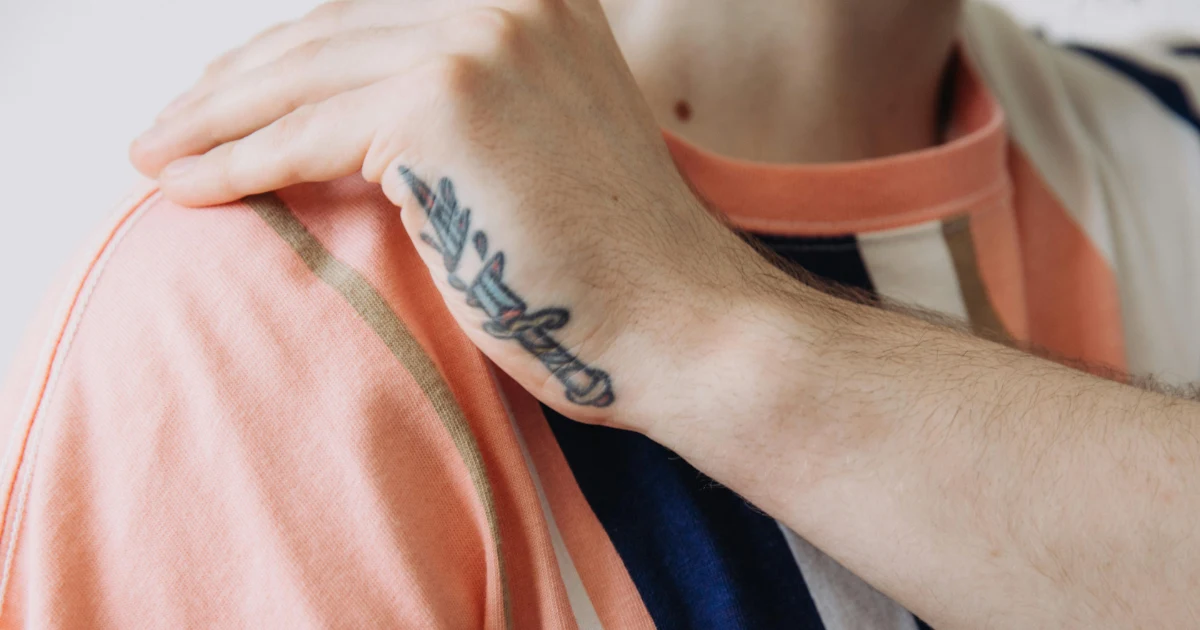
A tattoo is a personal, aesthetic choice, but it is also a commitment over time. As the years pass, ink changes, skin changes, lines shift. And sometimes, designs that once seemed “timeless” become blurred, faded, or simply no longer to your taste.
At Ray studios, every week we meet people who want to remove a tattoo that has aged prematurely. Here is an overview of the styles, techniques and placements that age best, so you can avoid, perhaps, going through the removal process sooner than expected.
Black ink: the most stable over time
Not all inks age in the same way. If you are looking for longevity, black remains your best ally.
Why?
- It penetrates deeper into the dermis,
- It is better absorbed and retained by the cells,
- It withstands UV exposure, time and skin movement better.
By contrast, coloured inks, particularly yellows, reds and pastels, fade more quickly and can become dull or uneven.
Good to know: many of the people we help with tattoo removal want to remove colours that have aged badly, becoming faded, blotchy or barely recognisable.
The tattoo styles that age best
Some styles hold up over time without much alteration. Here are the most durable ones we see:
Blackwork
- Solid black areas, strong contrasts, sturdy outlines.
- Holds up very well over time, even with slight skin sagging.
Bold line
- Thick, defined lines fade less and stay legible.
Graphic or geometric
- Clean, well-structured shapes.
- Less affected by micro-movements of the skin.
By contrast, ultra-fine line or highly detailed tattoos in exposed areas often age poorly, especially if they are not well placed or well maintained.
The areas of the body where tattoos age best
How well a tattoo ages also depends on where it is placed.
Ideal areas:
- Forearm
- Upper arm
- Shoulder blade
- Back (away from the spine)
- Calf
These areas have in common:
- Skin that is stable and not overly stretched,
- Less exposure to sun or friction,
- Fewer changes in volume.
Higher-risk areas:
- Fingers, hands, feet: thin skin, constant friction,
- Inner arms and thighs: areas subject to folds, stretching and sweating,
- Lower abdomen or hips: areas where skin can change quickly with weight gain or loss.
At Ray studios, many removal enquiries involve tattoos placed on unstable or highly exposed areas, where the ink has migrated, bled, or healed poorly.
Good habits to make a tattoo last (and avoid regret)
Even the best tattoo, done by the best artist, will not last without proper care. Here are the golden rules:
- Moisturise your skin regularly,
- Protect it from the sun with SPF 50+, all year round,
- Avoid abrasive scrubs or peels on the tattooed area,
- Never scratch during healing,
- Try to maintain a stable weight to limit distortion.
A large number of removal requests involve tattoos that healed poorly or were exposed to the sun too soon.
Key takeaway
A well-thought-out, well-placed and well-cared-for tattoo can age very well. But a poor choice of area, style, or a lack of care can lead to disappointment, or even a desire for removal. Individual results vary.
At Ray studios, we do not create tattoos, but we know what does not hold up over time. That is why we share this advice, so you can wear your tattoo with pride and without regret.
FAQ
Can a tattoo really “bleed” or blur with age?
Yes, and this is one of the most common reasons for tattoo removal or correction enquiries. Over time, some tattoos lose their sharpness, especially if the lines were too fine, too superficial or poorly positioned. The inks can migrate slightly within the dermis, creating a blurred or diffuse effect, often described as a tattoo that “bleeds”. At Ray studios, we assess each case individually to offer targeted lightening, partial reconstruction or complete removal, depending on what you would like. Individual results vary.
Should I touch up my tattoo after a few years to keep it looking good?
In some cases, a touch-up is not only useful but recommended. All tattoos, even well executed ones, can fade or become unbalanced over time, particularly if they are exposed to the sun or placed on an area prone to friction. An early touch-up helps preserve contrast, restore depth, and avoid reaching a point where the design becomes a source of frustration. Individual results vary. At Ray studios, we also see customers who prefer to lighten an area before a touch-up, so that the result is clearer.
Do tattoos on dark skin age less well?
No, but they age differently. On dark skin, contrast plays a fundamental role: a tattoo designed from the outset with well-defined lines and a composition suited to the skin phototype ages just as well as on light skin. However, very light inks or overly fine details may fade more quickly or become less visible over time. At Ray studios, we assess how pigment evolves on each skin type and offer personalised solutions if a touch-up or tattoo removal becomes necessary. Individual results vary.
Does colour fade from tattoos over the years?
Yes, colour tattoos are more sensitive to the effects of time, particularly pastel shades, yellows, light blues and pinks. Sun exposure, the nature of the pigment and the depth of injection all influence this fading. Some colours become difficult to make out visually after 5 to 10 years, which leads many customers to consider a touch-up or partial removal. At Ray studios, we use picosecond lasers capable of targeting coloured pigments with precision, for a gradual lightening effect, without affecting the surrounding areas. Individual results vary.