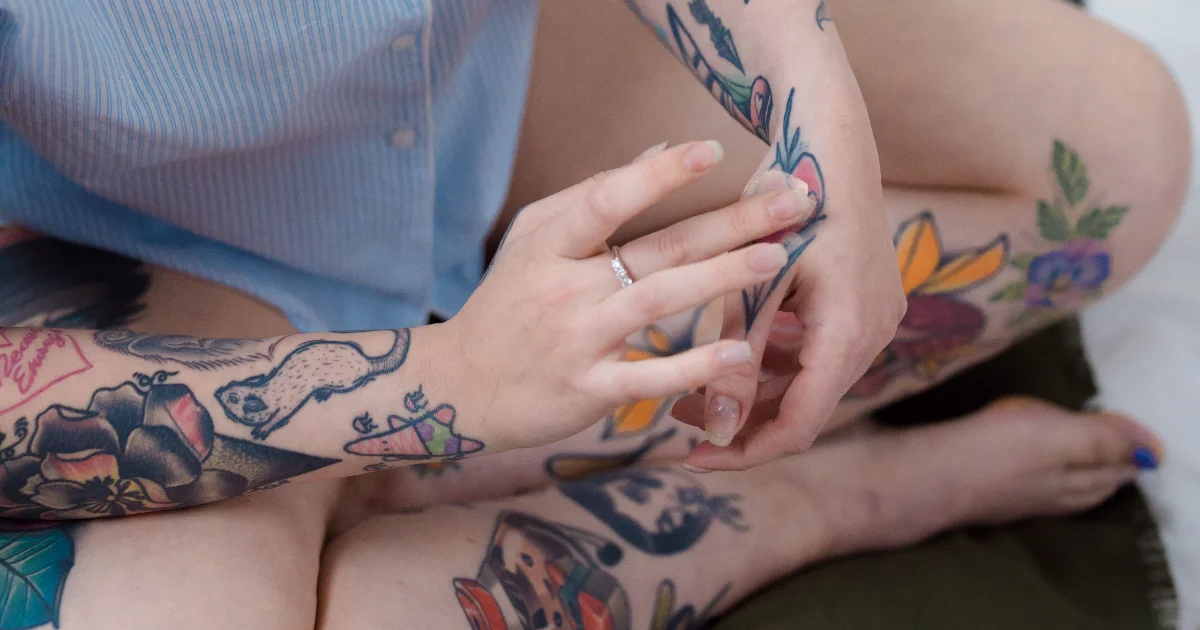
Stomach, ribs, fingers: tattoo placements to think about
Areas such as the stomach, ribs or fingers have thin or mobile skin, which can make tattoo removal more delicate and sometimes more painful. Here is what to know first.

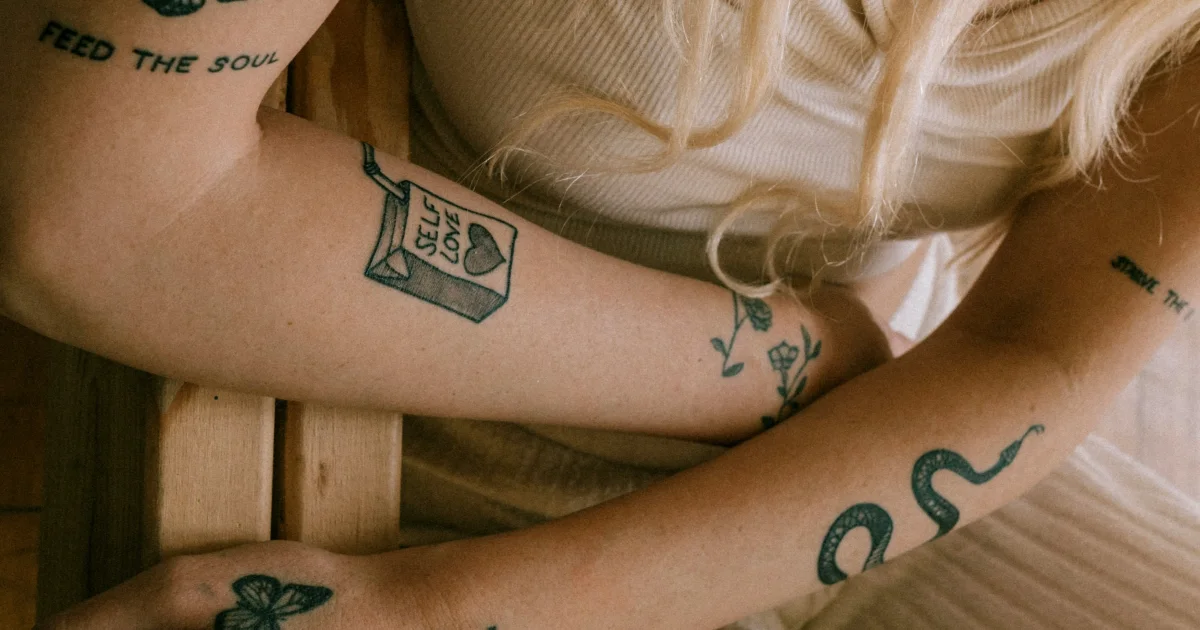
Visible tattoos, placed on unusual or original areas, are winning more and more people over. A flat stomach, elegant ribs, delicate fingers… These areas are popular on Instagram. But before you go ahead, it is worth knowing their technical, aesthetic and biological particularities.
At Ray studios, we work every day with people who want to lighten or remove a tattoo. And the "difficult" areas come up often as reasons for removal. Here is what to know before getting tattooed on these more demanding parts of the body.
The ribs: an attractive area… but painful and unstable
Why people love it:
- An elegant, elongated surface, ideal for text, a plant or a snake,
- Fairly discreet day to day.
What people often forget:
- A very painful area (little flesh, close to the bones, constant breathing),
- The skin there is thin: risk of slow healing or blurring,
- Frequent distortion linked to movement or weight changes.
At Ray studios, rib tattoos are often removed because they have aged badly or lost their sharpness.
The stomach: supple, fragile and changing
Why people love it:
- A large flat area, ideal for artistic projects,
- Easy to cover up or to show off.
What people often forget:
- The stomach is a very mobile and elastic area: the skin there changes with age, pregnancy and weight.
- Healing is more delicate (friction with clothing, perspiration, folds),
- Risk of stretch marks cutting across or distorting the tattoo.
Many people come to us after a pregnancy or weight loss, because their stomach tattoo no longer looks like anything.
Fingers: visible, stylish… and very temperamental
Why people love it:
- A strong graphic effect with a very small design,
- A very on-trend area (symbols, letters, micro tattoos).
What people often forget:
- The skin on the fingers renews itself constantly → the ink fades very quickly,
- Heavy exposure to sun, water and rubbing → an unstable tattoo,
- Difficult healing: risk of "gaps", bleeding lines or frequent touch-ups.
At Ray studios, fingers are among the most commonly removed areas. Either for aesthetic reasons, professional ones, or simply because people have grown tired of them.
Other "demanding" areas to know about
Ankles and feet:
- Significant pain, unstable ink, risk of abrasion from shoes.
Neck and throat:
- Very exposed, very visible, and often seen as a strong social statement.
Inner arms / thighs:
- Thin, damp skin, more exposed to rubbing and sweating → be careful with healing.
How to choose an area when you are unsure?
Before committing to a technical or exposed area, ask yourself these questions:
- Am I ready to live with this visibility over time?
- Do I understand the risks linked to how it will hold up, and to the pain?
- Do I want this tattoo for myself… or for the "Instagram" effect?
- Have I considered an easier area for a first tattoo?
Many of our customers admit they chose these areas on impulse, because of a trend or aesthetic pressure, without thinking long term.
Key points
A successful tattoo is not just a question of design: it is also a question of smart placement suited to your body. So-called "complex" areas can look beautiful… but they call for thought, preparation and upkeep. Individual results vary.
At Ray studios, we are here if you change your mind. Partial removal, complete removal, preparation for a cover-up: we help you correct a tattoo that no longer suits you, even if it was fashionable, visible or meaningful at the time. Book an initial consultation with one of our skin therapists to talk it through.
FAQ
Do finger tattoos really last over time?
Very rarely. Fingers are particularly exposed to friction, water, frequent washing and temperature changes, which makes ink retention less predictable. Even a technically well-done tattoo can fade quickly, or even distort within a few months. Individual results vary. Many customers end up accumulating touch-ups, or eventually choose to have the design completely removed. At Ray studios, we are used to treating this type of tattoo, often small but delicate to remove due to the thinness of the area.
What should I do if my tattoo has aged badly after a physical transformation?
There are several solutions depending on the condition of the tattoo and your goals. A partial removal can erase only the distorted areas, while a laser lightening can prepare for a more aesthetic cover-up. In some cases, a complete removal is preferable if the design no longer matches your image. At Ray studios, we offer a personalised assessment by our skin therapists to help you make the best decision, with a protocol tailored to the area, skin condition, and your aesthetic expectations.
Does it take longer to remove tattoos on mobile areas such as the elbow or wrist?
Yes, these areas may require more sessions, due to their constant movement and variable vascularisation. The elbow, wrist or knee are subject to bending, compression or friction that can affect healing. This does not make treatment impossible, but it requires more careful planning and sometimes longer intervals between sessions. At Ray studios, we adjust the frequency and power of the laser to ensure optimal effectiveness without compromising skin quality.
Can a tattoo over a scar or old injury be removed?
Yes, but this requires great precision and strict professional supervision. Scar tissue has a different structure to healthy dermis, which can affect pigment distribution and the skin's reaction to the laser. At Ray studios, a skin therapist always assesses the nature of the scar (hypertrophic, atrophic, stable or otherwise) before deciding on the programme. Treatment can be carried out, but it is often more gradual to avoid reactivating the scar. The goal remains safety, tolerance and the most even result possible.