My Tattoo Is Changing Over Time: Is That Normal?
Lines less sharp, colours fading, outlines shifting: a tattoo can change over time. Most of these changes are normal, but some are worth a closer look.

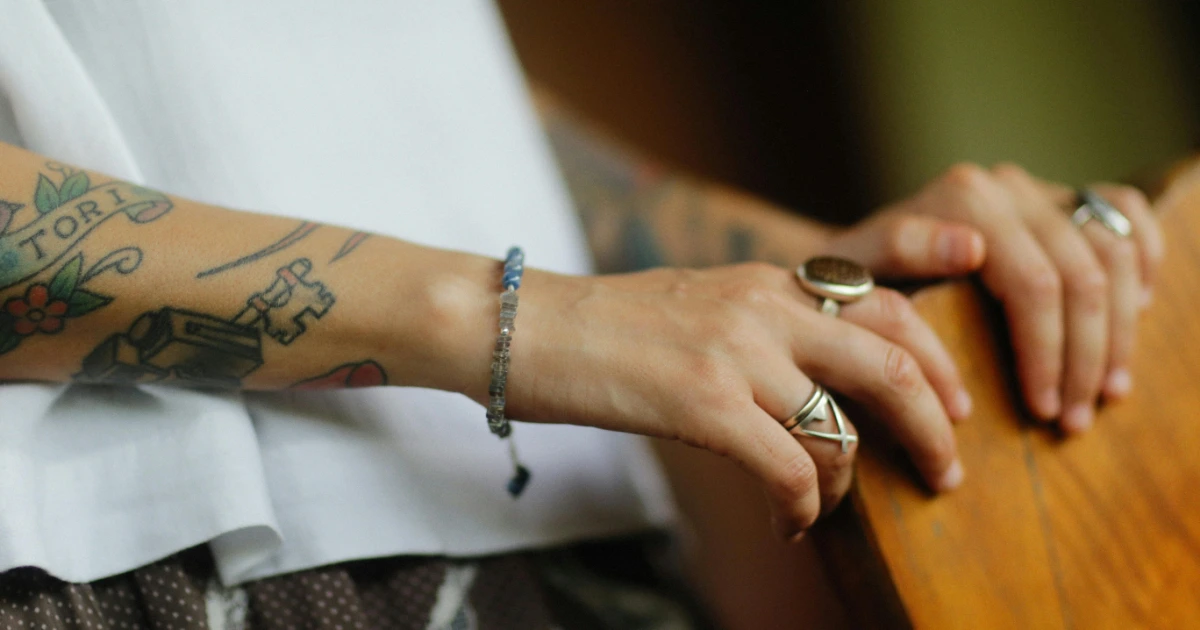
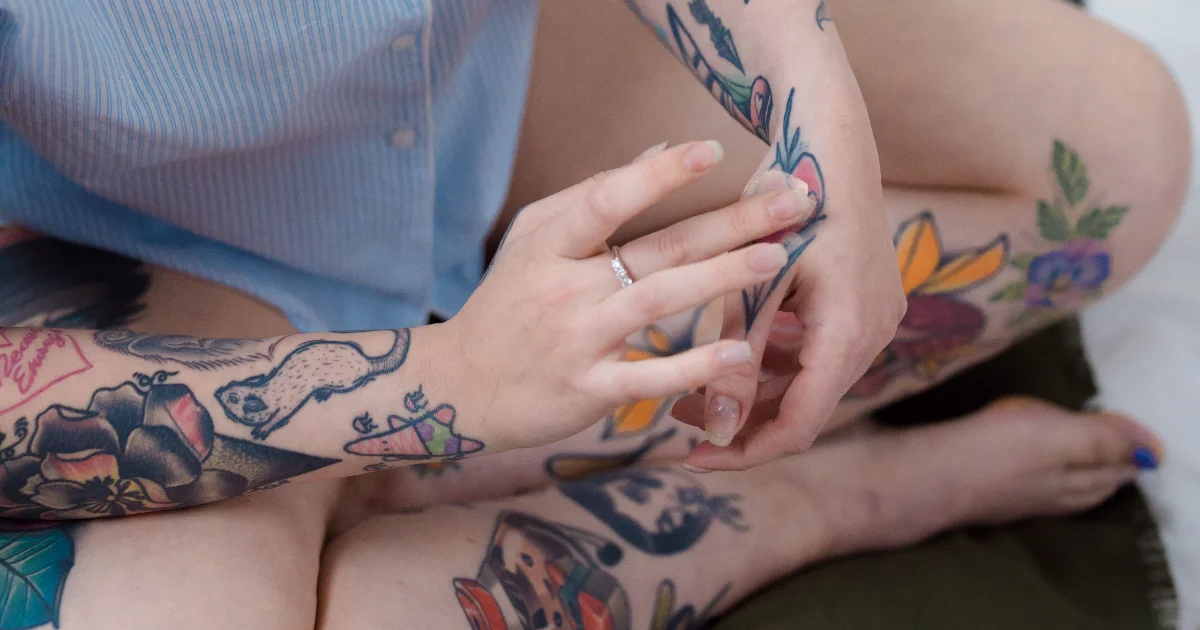
A tattoo is often thought of as a fixed image, meant to stay identical for life. Yet many people notice, sometimes after only a few years, that their tattoo no longer looks exactly as it did on day one. The colours seem less vivid, the lines less precise, the design slightly different.
At Ray studios, this question comes up very often at the initial consultation. The answer is nuanced: yes, a tattoo changes naturally over time, but not all changes are the same. Some are normal and predictable, others reflect avoidable factors or issues that need attention.
A tattoo lives in living tissue
Unlike a drawing on an inert surface, a tattoo sits in the skin, a living organ with its own blood supply and constant renewal. The pigments are placed in the dermis, a deep but biologically active layer.
Over the years, the immune system interacts with these pigments. Some of them are fragmented, transported or slowly cleared. This explains why a tattoo can gradually lose intensity or sharpness, even when it was perfectly executed to begin with.
The normal changes a tattoo goes through
Some changes are considered physiological and expected. Colours can lighten slightly, particularly bright or pale shades. Lines can thicken very slightly, especially on fine or highly detailed tattoos.
These changes are generally slow and even. The tattoo stays readable, coherent and true to its original design, even if it no longer has the "new" look of the first few months.
When the change becomes more marked
In some cases the changes are more visible. Outlines become blurred, certain areas distort, or colours fade unevenly. These transformations are not always a sign of a problem, but they are worth understanding.
Several factors can speed them up: repeated sun exposure, friction, weight changes, skin ageing, or placement on an area that moves a lot.
The role of the original tattoo quality
The way a tattoo was made plays a fundamental part in how it ages. Poorly controlled needle depth can cause the ink to spread within the dermis, producing a blurred look over time. Lower quality pigments can also break down faster.
A technically well executed tattoo, with stable inks and an appropriate depth, generally ages more evenly.
The impact of the sun on how a tattoo looks
The sun is one of the main causes of change in tattoos. UV rays alter pigments and speed up their fragmentation. Repeated unprotected exposure can lead to a loss of contrast, lighter colours and progressively blurred outlines.
Even several years after it was done, a tattoo remains sensitive to the sun. That is why a tattoo exposed daily often changes appearance faster than one on a protected area.
Skin ageing and body changes
Skin changes throughout life. It gradually loses elasticity and firmness. These structural changes directly influence the appearance of tattoos.
Weight changes, pregnancy or certain hormonal shifts can also alter the shape of a tattoo. Geometric or highly structured designs are particularly sensitive to these changes.
Areas of the body more prone to change
Not all placements behave the same way. Thin, mobile areas or those subject to repeated friction, such as hands, fingers, neck, ankles and feet, are more likely to see the tattoo change quickly.
More stable areas, such as the upper back or the thighs, generally hold up better over time.
When should you be concerned?
Gradual, even change is generally normal. Certain signs, however, are worth having looked at: rapid distortion, sudden loss of pigment, marked irregularities, or changes accompanied by skin symptoms such as pain, persistent inflammation or pigment disturbance.
At Ray studios, our skin therapists assess these situations to help distinguish normal change from something that needs to be looked at further.
Tattoo removal as a way of adapting
When the way a tattoo has changed no longer matches your expectations, there are several options. A touch up can sometimes be enough. In other cases, partial removal can lighten certain areas, redefine outlines or prepare the ground for a new project.
Tattoo removal is not always about giving up. It can be a step in adapting, a way of keeping up with how your tastes and your life have moved on.
Key points
Yes, it is normal for a tattoo to change appearance over time. These changes come from natural biological mechanisms, from the environment, and from the original choices around how and where the tattoo was made. Individual results vary.
At Ray studios, every tattoo is considered in its own context. Understanding how it evolves helps you make informed choices, whether that means prevention, correction or removal carried out by trained skin therapists with the correct laser settings in a controlled environment.
FAQ
Do all tattoos inevitably change over time?
Yes, all tattoos evolve, as they are set in living tissue. Skin renews itself, loosens and constantly interacts with pigments. However, this evolution is neither identical nor systematically problematic. A well-executed tattoo, using quality pigments, placed on a stable area and properly protected from the sun, can remain clearly visible for many years. Conversely, a very fine tattoo, one that is heavily exposed or poorly placed, may change more quickly.
My tattoo has become less sharp: is this a problem?
A slight loss of sharpness is generally normal and is part of the natural ageing of a tattoo. The lines may thicken slightly and the colours may soften. This becomes an issue when the tattoo loses its legibility, the outlines become noticeably blurred or the design becomes distorted. In these cases, it may be helpful to seek a professional opinion to distinguish normal ageing from more significant deterioration.
Can a tattoo be stopped from changing appearance?
It is not possible to completely freeze a tattoo in time, but it is possible to significantly slow its evolution. Regular sun protection, good skin hydration and avoiding repeated friction play a key role. The initial choice of tattoo artist, pigments, style and placement remains decisive, however, and largely determines how well the tattoo holds up over the long term.
When should you consider tattoo removal?
Tattoo removal can be considered when the tattoo has evolved to the point that it no longer matches your aesthetic or personal expectations. This may involve excessive blurring, distortion, loss of contrast, or a change in life direction. A personalised assessment helps determine whether a touch-up, partial removal, or complete removal is the most appropriate solution, guided by experienced skin therapists.
Can a tattoo that changes appearance be corrected without being removed?
Yes, in some cases. A touch-up or cover-up may be enough when the base remains legible. However, when the pigments have spread too much or the design has become illegible, partial tattoo removal often allows you to start again on a cleaner base before any correction. The aim is not necessarily to remove the tattoo, but to adapt it to its natural evolution.