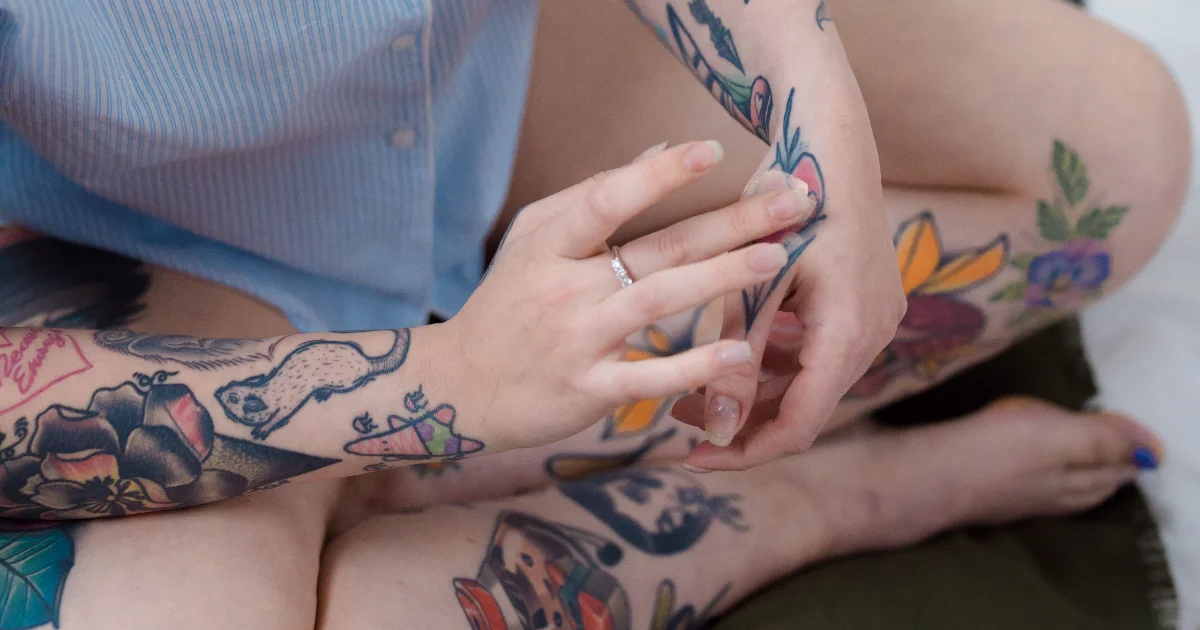
How attitudes to tattoo removal have changed in 10 years
In 10 years, tattoo removal has gone from taboo to an openly owned choice, driven by better technology and the acceptance of personal change.

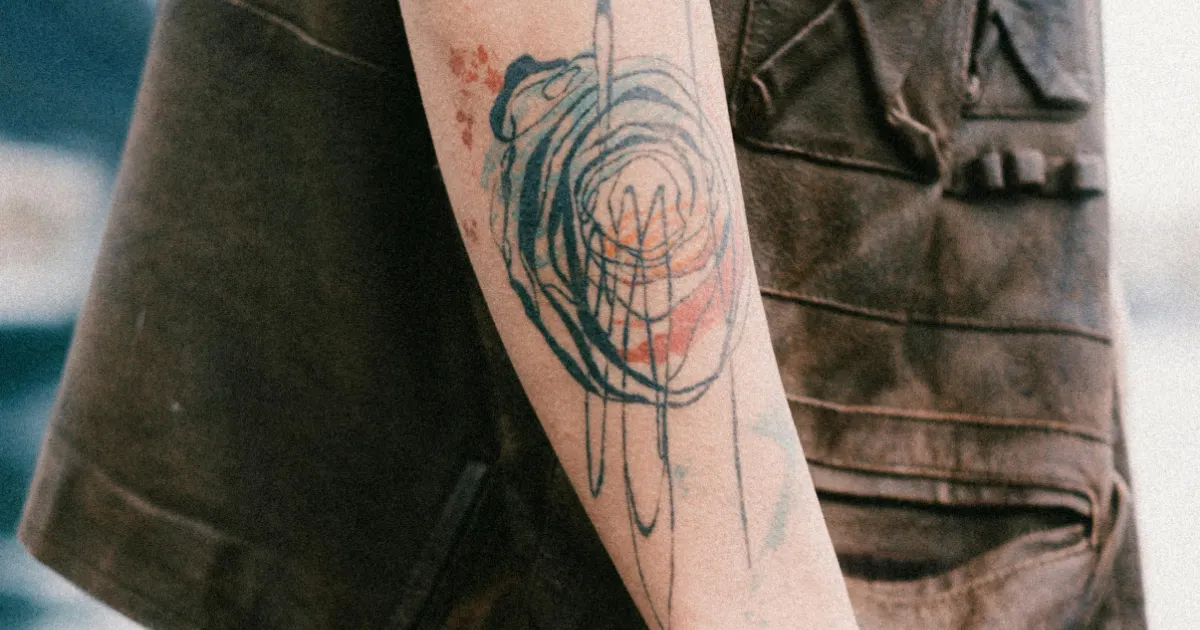
Once seen as a taboo or a personal failure, laser tattoo removal has now become an owned, considered and widely accepted choice. In the space of 10 years, attitudes to tattoo removal have shifted considerably, as the technology has improved and people have sought to take back control of their own image. At Ray studios, we have supported many customers through this change, and we have seen first hand this new way of thinking about the body, change and identity.
Tattoo removal: from taboo to a liberating step
Ten years ago, having a tattoo removed was often experienced:
- As an admission of regret.
- As a personal failure to stand by the original choice.
- With a degree of shame or social awkwardness.
Today, customers feel able to say:
“This tattoo no longer reflects who I am.”
“I have changed, and I am entitled to show it.”
Tattoo removal has become an expression of freedom rather than of guilt.
The rise of personal motivations
A few years ago, the reasons for tattoo removal were mainly linked to:
- Professional reasons (entering a sector where tattoos were frowned upon).
- Difficult social or family relationships connected to the tattoo.
In 2025, the trend has moved on:
Tattoo removal is often linked to personal choices people are happy to own, and to a wish for consistency between the body, the image and the state of mind.
At Ray studios, we find that motivations today are more introspective than external.
Better technology has changed how tattoo removal is viewed
The arrival of picosecond lasers has completely transformed:
- How effective tattoo removal is.
- How comfortable sessions are.
- How safe the process is for the skin.
In the past, tattoo removal was seen as:
- Slow,
- Painful,
- Risky (burns, scarring),
- And often incomplete.
Today, with suitable treatment protocols, correct laser settings and the new generation of lasers used at Ray studios, tattoo removal is:
- Faster,
- More precise,
- And more accessible.
Influencers and public figures taking the stigma out of the subject
On social media, many content creators and celebrities now share their tattoo removal experience:
- To own a change of style,
- To fit a new chapter of life,
- Or simply because they wanted to.
The result: tattoo removal is now visible, free of stigma and even valued as a conscious choice.
Tattoo removal as an act of self-care
Removing a tattoo can sometimes mean:
- Turning an emotional page,
- Easing a painful memory,
- Or simply reconnecting with yourself.
Today, more and more customers see tattoo removal as part of a wider wellbeing approach: alongside sport, therapy or aesthetic treatments. At Ray studios, we believe tattoo removal is also emotional care, and not only a treatment for the skin.
Key points
In ten years, tattoo removal has moved from a taboo subject to a fully owned choice, driven by technological, social and personal change. At Ray studios, skin therapists support you through this change, with advanced technology and a human approach that respects your story and your choices. Individual results vary.
FAQ
Why was tattoo removal viewed negatively in the past?
For a long time, tattoo removal was seen as an admission of failure or a poor decision, sometimes stigmatised in the collective imagination. It was associated with a youthful mistake or a form of denial, largely due to a lack of information and the absence of effective options. Today, attitudes have evolved: tattoo removal is now recognised as a coherent, personal and legitimate choice, just like a change in style or lifestyle. At Ray studios, we welcome this shift with understanding and professional support.
Do people embrace their tattoo removal more openly today?
Yes, very clearly. More and more customers arrive at their consultation calm, determined, and proud of their decision. Tattoo removal is no longer hidden or experienced as a source of shame, but as an act of autonomy, a considered choice and often a liberating one. It has become common to document this process on social media or to talk about it openly with loved ones. At Ray studios, we see this new openness every day: it helps normalise tattoo removal as a natural part of personal identity.
Do younger generations remove tattoos more than before?
Yes. Current generations get tattoos earlier, more often and more spontaneously, which also makes tattoo removal more frequent. But contrary to common belief, this does not reflect instability: it is rather a reflection of cultural flexibility, where body image can evolve freely. Younger generations see tattoo removal as a normal and reversible option, in the same way as the tattoo itself. At Ray studios, we see this more fluid and uninhibited approach, which values the right to change. Individual results vary.
Can you remove a tattoo purely for aesthetic reasons, without an emotional justification?
Absolutely. Tattoo removal is not always based on deep discomfort or a symbolic break. It can simply respond to a desire for bodily harmony, a change in style or the wish to achieve a more understated skin. This motivation is entirely valid. At Ray studios, we meet customers every day who wish to remove a design without regret, simply to rework their image, lighten their silhouette or redefine their personal aesthetic. No emotional justification is required to begin this process.
Has society's view of tattoo removal really changed?
Yes, and quite significantly. Tattoo removal has gone from being a discreet act to an open and visible practice, embraced by celebrities, influencers and anonymous customers alike. It is no longer seen as unusual, but rather as a tool for personal adaptation, in the same way tattooing itself once was. This social shift reflects a greater tolerance for non-linear paths, changeable choices and bodies in transformation. At Ray studios, we fully embrace this movement towards informed bodily freedom.