Dark Skin and Laser Tattoo Removal: What Picosecond Changes
Picosecond lasers change tattoo removal on dark skin, lowering the risk of hyperpigmentation or burns when settings are correct. Individual results vary.

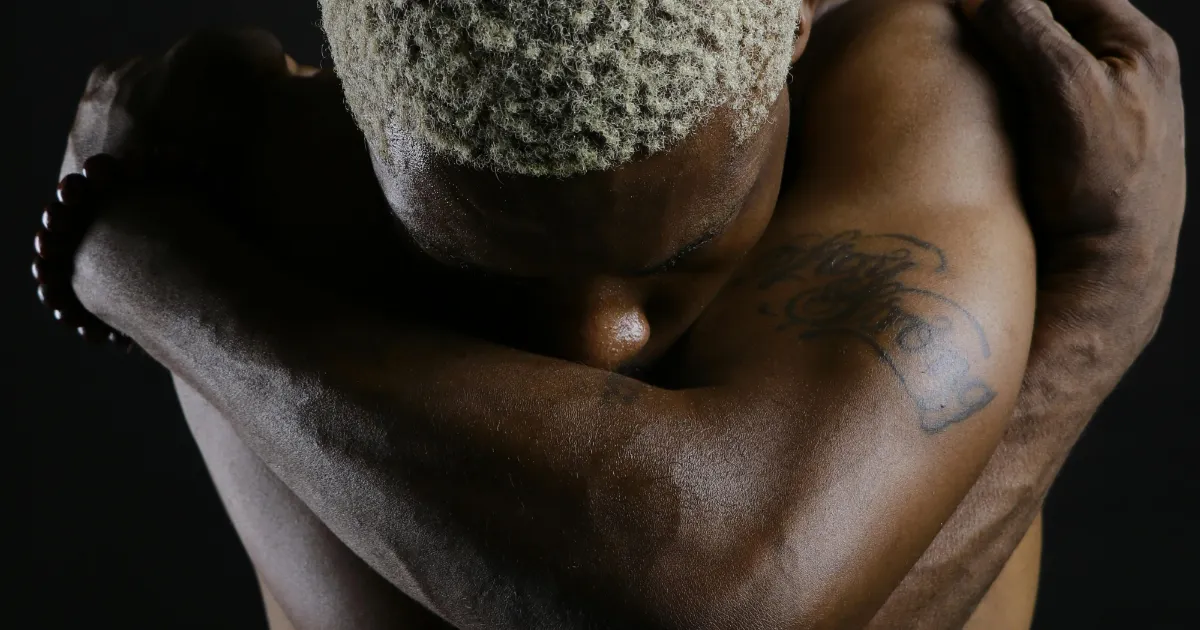
Long considered too risky, tattoo removal on dark skin has often been ruled out… or poorly carried out. Today, thanks to picosecond lasers and a rigorous, carefully controlled approach, it is entirely possible to remove a tattoo on dark skin safely. Provided, of course, that you are in the hands of trained skin therapists.
At Ray studios, we have built specific expertise in tattoo removal on dark and olive skin, working directly with skin therapists trained on the latest laser technologies.
Why does dark skin call for more care?
Dark skin contains more melanin, the natural pigment that gives it its colour. The issue: some lasers can confuse tattoo pigment with melanin, which can cause:
- light patches (depigmentation),
- darker areas (hyperpigmentation),
- thick scabs or burns,
- and even permanent scarring.
This is why the choice of laser and the correct settings are essential. The laser should not “attack” the skin, but treat it at depth, with precision.
Why is the picosecond laser the best suited?
The picosecond laser is today the benchmark for treating every skin type, including the deepest tones. Unlike older nanosecond lasers, it delivers energy in ultra-short pulses, which offers several advantages:
- It targets ink pigment without heating the skin, so it does not disturb melanin.
- It allows finer fragmentation of the ink, helping the body clear it naturally.
- It considerably reduces the risk of burns, marks or scarring.
At Ray studios, we use picosecond lasers exclusively for all phototypes, adapting each session to the customer's skin phototype.
How does tattoo removal on dark skin work?
The protocol is followed strictly:
- Initial consultation with a skin therapist to assess the skin type and the age of the tattoo.
- Preliminary laser test on a small area to observe how the skin reacts.
- Specific laser settings (power, frequency, duration) based on the phototype.
- Post-session follow-up with soothing aftercare and close monitoring of the skin.
Rest periods between sessions are often longer on dark skin, so the skin can recover gently.
Good practice before, during and after treatment
The key to successful tattoo removal on dark skin is consistent aftercare and following the advice you are given.
Here are the recommendations from our skin therapists:
- No sun exposure for at least one week before and after each session.
- Apply specific soothing creams after treatment
- Never scratch scabs or irritated areas.
- Avoid tight clothing and friction.
- Moisturise the skin daily between sessions.
What about a cover-up on dark skin?
Sometimes, partial removal with the picosecond laser lightens an old tattoo without erasing it completely. That opens the way to a good quality cover-up, finer, more attractive and carrying less black ink.
This hybrid approach, laser + cover-up, is particularly recommended on dark skin to avoid overly sharp contrasts.
Key points
Tattoo removal on dark skin is not only possible, it is also safe and effective when carried out with the right equipment, by trained skin therapists and in a controlled environment. Thanks to picosecond technology and an approach adapted to each phototype, Ray studios offers a tailored treatment that respects your skin. Individual results vary. Whether you want to remove a tattoo completely or prepare for a cover-up, it all starts with a personalised assessment at your initial consultation. The keys: patience, consistency… and expertise.
FAQ
Can all centres treat darker skin tones?
No, not all centres are equipped or trained to safely treat darker skin tones. Higher skin phototypes require specific expertise and extremely precise laser settings to avoid the risk of depigmentation or scarring. At Ray studios, we exclusively use picosecond lasers, recognised for their precision and their gentleness on pigmented skin. Each session is overseen by a skin therapist who adapts the protocol based on skin phototype, tattoo history and skin reaction. This rigorous approach helps ensure safe and consistent results. Individual results vary.
Does picosecond tattoo removal completely remove ink on black skin?
In the vast majority of cases, yes, particularly with black ink, which is the easiest to fragment with a picosecond laser. This type of laser is particularly suited to darker skin tones because it works deep within the skin without heating it or affecting melanin. Results are often very clear, leaving no visible marks when the protocol is properly followed. For coloured inks (red, yellow, green), treatment may require more sessions, but progress is real and measurable over time. A skin assessment allows each type of pigment's reaction to be anticipated.
Is there more pain or more side effects?
The sensation of pain is generally comparable to that felt on lighter skin, especially with the use of the picosecond laser, whose very short pulses limit skin heating. However, potential side effects (marks, inflammation, scabbing) must be closely monitored on darker skin, as the higher melanin concentration makes it more reactive. This is why a strictly supervised protocol is essential. At Ray studios, every session is carried out by a skin therapist who precisely adjusts the laser settings and provides personalised follow-up to support optimal healing and minimise the risk of complications. Individual results vary.
Can you get a new tattoo after laser removal on dark skin?
Yes, it is entirely possible to get a new tattoo after laser removal, even on dark skin, provided healing is complete and confirmed by a skin therapist. It is essential to allow enough time for the skin to fully regenerate, without inflammation or residual fragility. Thanks to the precision of the picosecond laser, skin texture is generally well preserved, which allows a new tattoo without major difficulty. However, each case is unique: an assessment by a skin therapist is essential before considering a cover-up or a new design on the treated area. Individual results vary.