Tattoos and Body Changes: Pregnancy, Scars, Weight Loss
Pregnancy, scars and weight change can alter how a tattoo looks. Here is what happens to the skin and the options open to you at Ray studios. Individual results vary.

The body changes. It lives, evolves and transforms, sometimes by choice, sometimes through stages of life.
But what about tattoos? Is a design on the skin fixed forever? Can it shift, distort or fade when the body transforms?
At Ray studios, we regularly work with people who ask these questions, or who want to correct a tattoo affected by physical change. Here is what you need to know to live with your tattoo, even when your body changes.
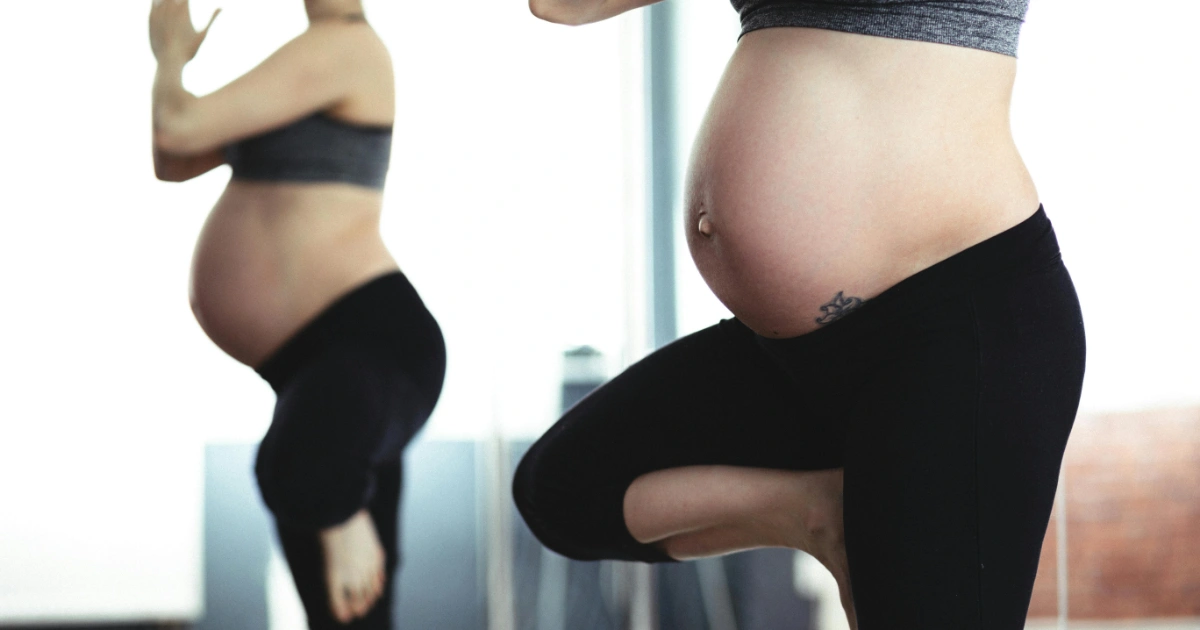
Tattoos and pregnancy: what happens to a design on the stomach?
During pregnancy, the body, and the abdomen in particular, goes through a gradual and natural stretching. A tattoo in this area may:
- Stretch during pregnancy, especially in the 2nd and 3rd trimester,
- Become slightly distorted depending on how elastic the skin is,
- Show changes in pigmentation or texture,
- Be partly hidden by stretch marks.
In general, small fine designs and very geometric artwork are the most prone to distortion. Once the skin has settled after pregnancy, some tattoos partly regain their shape, though not always perfectly. Individual results vary.
Tattoos and scars: can you tattoo or keep a design?
Scars change the texture of the skin, which can alter the appearance or the hold of an existing tattoo. There are several scenarios:
An existing tattoo plus a new scar
Surgery (a caesarean, abdominal surgery, an injury) can cut through, shift or change a tattoo that is already there.
A tattoo directly on a scar
This is possible, but the area is more delicate to tattoo: scarred skin takes up ink differently, and the result can be uneven. You need to wait at least 12 to 18 months after the scar has fully healed.
At Ray studios, we also receive requests for tattoo removal over a scar, when the combination of the two creates a result that is hard to live with visually or emotionally.
Tattoos and weight loss (or gain): what changes
A significant change in weight, whether gradual or rapid, can change the look of a tattoo, particularly if:
- The design sits on a very mobile or elastic area (stomach, hips, thighs, arms),
- It is a symmetrical or structured design (circles, lines, lettering),
- The weight change is more than 15-20 kg.
What can happen:
- Distortion or stretching of the tattoo,
- Sagging or blurring of the outlines,
- Areas that are harder to read, especially if the skin has lost tension.
Worth knowing: some people choose partial removal to erase or lighten part of the design, opening the way to a possible cover-up project better suited to their new shape.
What to do if your tattoo no longer suits your body
This is a common question, and above all: there is no shame in asking it. A tattoo is often chosen at a particular moment. But when the body changes, the image you have of yourself changes too.
At Ray studios, you have several options:
- Partial removal to lighten certain areas (without erasing everything),
- Complete removal if the design no longer feels like you,
- Support towards a cover-up project with a partner tattoo artist,
- A personalised assessment by a skin therapist, based on your skin, your transformation and how you feel.
Your initial consultation is where we look at the tattoo, discuss what you want and explain the Full Remove plan: unlimited sessions at a single fixed price.
Key points
The body changes, and that is neither a mistake nor a failure. It is life. Your tattoo can follow that movement, or become an obstacle to the image you have of yourself.
At Ray studios, we are here to help you reconcile your skin and your story. Whether you want to lighten, erase or transform a tattoo that no longer suits you, our skin therapists offer professional support, delivered gently and with respect for your journey, using the correct laser settings in a controlled environment.
FAQ
Can a tattoo go back to “how it was before” after pregnancy or weight loss?
Not entirely. When a tattoo has undergone significant skin stretching, as happens during pregnancy or significant weight gain or loss, the design can become permanently distorted. Even after returning to the original weight, the skin retains a certain laxity or irregularity. The design may stabilise, but it rarely regains its original crispness or geometry.
Can a tattoo located on a stretch mark or a scar be removed?
Yes, but this requires particular care. At Ray studios, each case is assessed by a skin therapist before treatment begins. Scarred areas or areas marked by stretch marks can react differently. A tailored protocol, more gradual and less intense, is put in place to ensure the treatment is carried out safely.
Can a stretched design be repaired without laser removal?
In some cases, yes. An artistic touch-up, rebalancing of the design or a well-thought-out cover-up can restore coherence to the tattoo. However, if the distortions are too significant, partial or targeted laser removal may be necessary to "clean up" certain areas before a tattoo artist reworks it.
Can you get a tattoo after surgery or a caesarean section?
Yes, provided that healing is complete and confirmed by a skin therapist. Post-operative skin can be more sensitive, less elastic, or show a change in texture. It is therefore essential to choose the right time and area to avoid any complications. Ray studios always recommends waiting several months and having a prior consultation before considering a tattoo on a scarred area.
Do hormonal changes influence the appearance of a tattoo?
Yes, particularly during pregnancy or menopause. Hormonal fluctuations can change the texture and elasticity of the skin, which visually affects fine lines, colours and the overall condition of the tattoo. Regular monitoring and appropriate hydration help limit these effects.