Removing a red tattoo: challenges, solutions and advice
Red tattoo removal is complex: this pigment responds poorly to some lasers and can cause skin reactions. Here is how Ray studios approaches red ink.

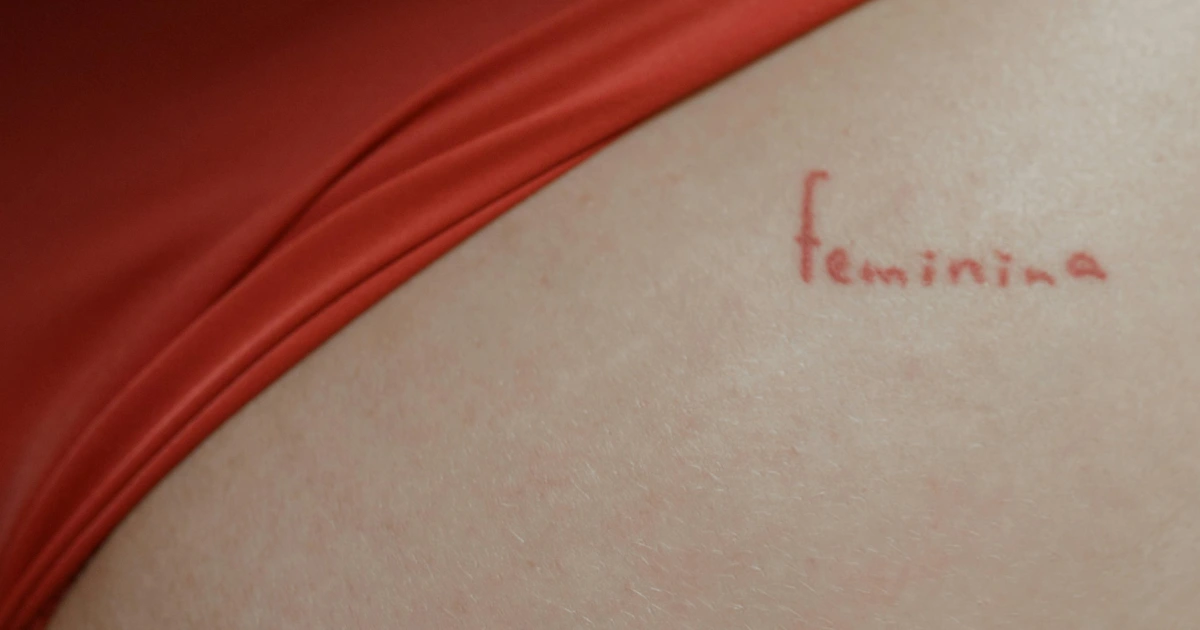
Removing a red tattoo is a specific challenge in laser tattoo removal. Red, bright and intense, responds differently to treatment compared with black or blue tattoos, because it absorbs different wavelengths and calls for a particular protocol. At Ray studios, skin therapists build treatment plans suited to your skin to optimise the fading of red inks while respecting the health and appearance of your skin.
Do all red inks respond to the laser in the same way?
No, red inks do not all respond to the laser in the same way. The pigments used in red inks vary by brand and by chemical composition (iron oxide, cinnabar, azo pigments and so on). Some respond very well to the laser, while others are more resistant or may need more sessions.
Why are red tattoos harder to remove?
Red pigment:
- Absorbs laser light differently compared with other colours,
- Is sometimes formulated with metallic pigments or complex chemical components,
- Can trigger specific skin reactions (swelling, pronounced redness) under the laser.
The result: removing a red tattoo calls for a rigorous technical approach and attentive follow-up by a trained skin therapist.
Which laser technology is used to remove a red tattoo?
The standard Nd:YAG 1064 nm laser (infrared) is not very effective on red.
To target red ink effectively, we use:
- The 532 nm wavelength (green light),
- Picosecond lasers, which allow finer fragmentation and greater precision.
At Ray studios, skin therapists work with multi-wavelength picosecond lasers to treat red more safely and more effectively.
What specific precautions apply to red tattoo removal?
A thorough skin assessment
- Assessment of your skin type (phototype),
- Review of the type of ink used, if known,
- Identification of any sensitivity to red pigments.
Precise laser settings
- Use of suitable energy levels to avoid excessive inflammatory reactions,
- Longer intervals between sessions to give the skin time to heal properly.
Close aftercare monitoring
- Immediate management of redness, swelling or a warm sensation,
- Reinforced moisturising and soothing care.
How many sessions to remove a red tattoo?
On average:
- 8 to 12 sessions may be needed,
- The interval between sessions is 6 to 8 weeks,
- The response depends on:
- The density of the red pigment,
- How deeply the ink was injected,
- Your skin's natural ability to clear ink fragments.
Every case is different, which is why at Ray studios, skin therapists adjust your protocol according to how your skin responds at each stage. Individual results vary.
Key points
Removing a red tattoo calls for expert handling, suitable technology and rigorous follow-up. At Ray studios, skin therapists support you throughout the process, with personalised care, working towards tattoo removal that is effective, safe and respectful of your skin. Individual results vary.
FAQ
Why is my red tattoo more resistant than my black tattoo?
Red pigment does not absorb the same wavelengths as black, making it less responsive to certain types of laser. In addition, red inks may contain complex metals or organic components that are more difficult to fragment. This explains why a red tattoo often requires more sessions or specific technical settings. At Ray studios, we use lasers suited to overcome this difficulty while protecting the integrity of the skin.
Do all red inks react the same way to the laser?
No. There is a wide variety of pigment formulas in red inks. Some, particularly the older or artisanal ones, contain metallic oxides that are more resistant to laser pulses. Other, more modern reds, however, respond well to the picosecond laser wavelength. This is why a preliminary assessment during the initial consultation is essential, in order to identify the nature of the red and offer a tailored protocol at Ray studios.
Is it more painful to remove a red tattoo?
The sensation felt during treatment of a red tattoo is generally similar to that of a black or blue tattoo. However, some people notice slightly higher skin reactivity: prolonged redness, slight swelling or temporary warmth. This mainly depends on the location and skin type. At Ray studios, the use of skin cooling systems helps reduce these effects for maximum comfort.
Can marks remain after removing a red tattoo?
In some cases, slight hypopigmentation (a lighter area) or hyperpigmentation may appear temporarily, particularly on sensitive or very fair skin. These effects are generally reversible within a few weeks or months. A well spaced, personalised treatment protocol significantly reduces the risk of visible marks. This is why post-session follow-up at Ray studios is just as important as the treatment itself.
Is the picosecond laser essential for red tattoos?
Yes. The picosecond laser allows for finer and faster breakdown of red pigments, without excessively heating the skin. This technology is now considered the benchmark for treating complex colours, including red. At Ray studios, our devices are calibrated to precisely adjust the wavelength and energy delivered to this type of pigment, which can considerably improve results from the very first sessions. Individual results vary.