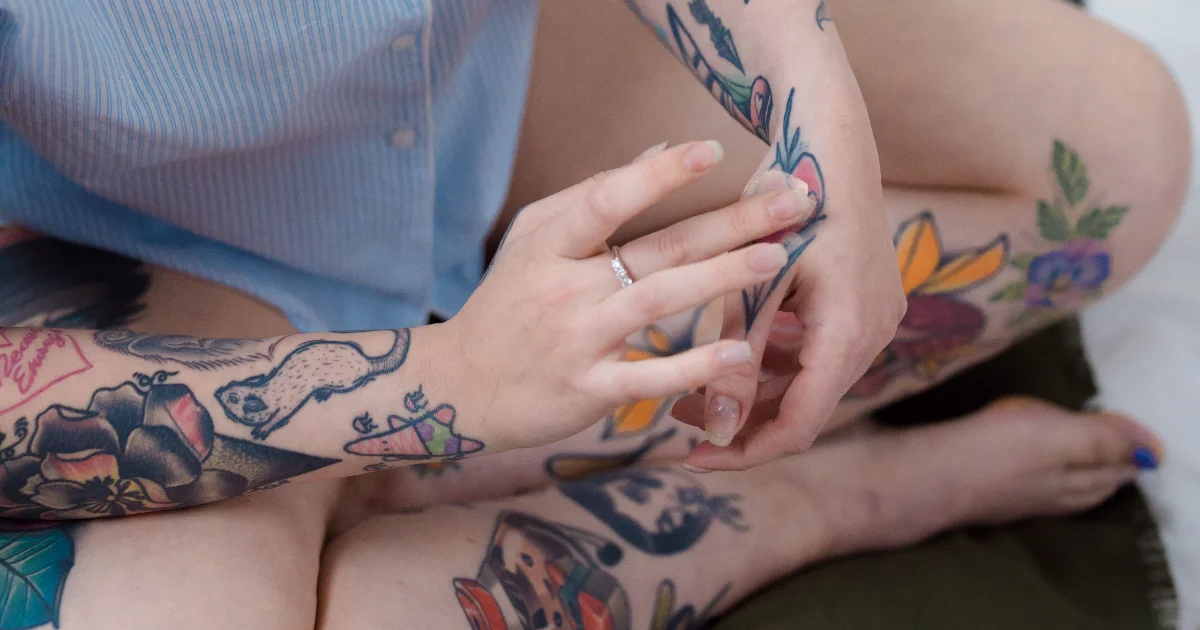
Micro tattoos: how well do they last over time?
Micro tattoos are very fine and detailed, so they tend to fade faster because of their thin lines and the limited amount of ink held in the skin.

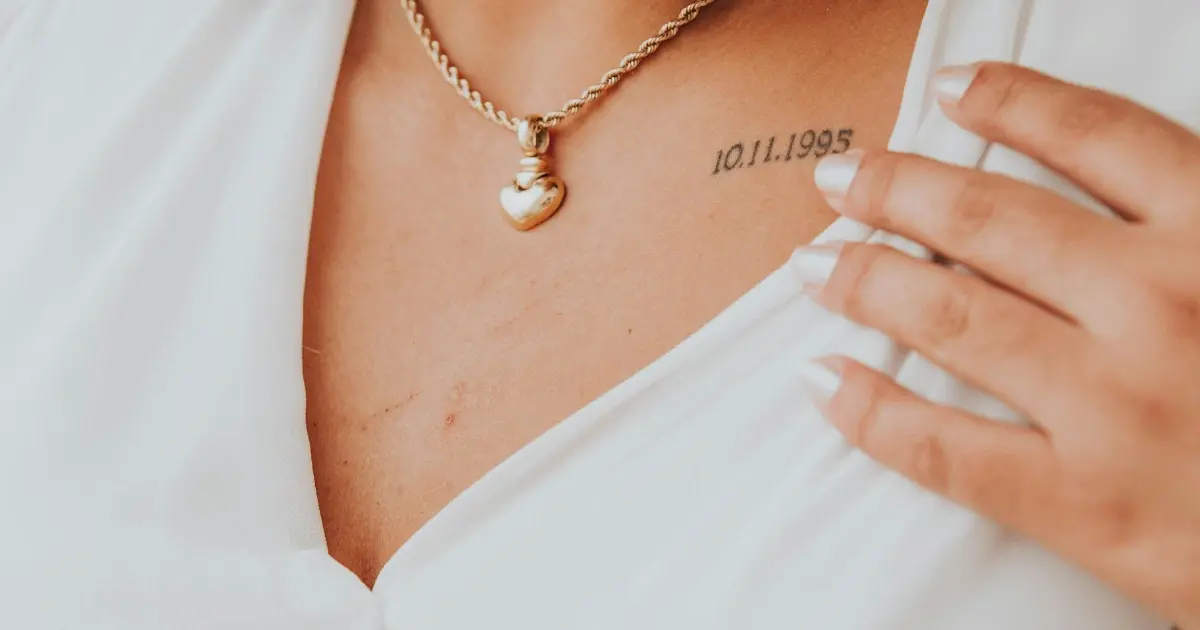
A discreet heart on the ankle, a star on a finger, an initial on the collarbone… Micro tattoos have taken over social media and skin around the world. Praised for their simplicity, fine detail and minimal look, they appeal to beginners and seasoned collectors alike.
But does that delicacy come at a price? At Ray studios, we regularly see micro tattoos removed, altered or reworked a few years after they were done. So, do they really hold up over time? Here is an honest, straightforward overview.
1. What is a micro tattoo?
These are very small tattoos, usually:
- Done in fine line work,
- Without any fill,
- Made up of symbols, short words or tiny drawings.
They rarely measure more than 2 to 3 centimetres and are meant to be discreet, light and elegant. It is a "jewellery" tattoo, almost ornamental.
2. Why they are so popular
People like micro tattoos because they:
- Fit anywhere on the body,
- Are quick to do,
- Hurt very little,
- Can be hidden or shown as you wish,
- Do not intimidate anyone who is wary of large or highly visible projects.
It is often a first step into tattooing, chosen for its soft visual impact.
3. Their main weakness: how long they last
This is where the trouble starts. A micro tattoo is, by definition, very fine… and very fragile.
Over time, it can:
- Blur slightly (a hazy effect around the lines),
- Fade faster than a denser tattoo,
- Become unreadable if the lines sit too close together,
- Distort depending on the area tattooed.
The result: after 3 to 5 years, some micro tattoos may already lose their sharpness.
4. What affects how they hold up
Several factors determine how long a micro tattoo lasts:
The area of the body
- Fingers, hands, ribs and ankles are more exposed to friction and movement.
- Stable areas such as the forearm or the back of the neck hold up better over time.
The skill of the tattoo artist
- The line must be precise, neither too shallow nor too deep.
- An experienced hand knows how to judge the ink and avoid bleeding lines
Aftercare
- Poor healing can damage a fine line straight away.
- Sun exposure without protection speeds up fading.
5. Can they be rescued or reworked?
Fortunately, yes. A blurred micro tattoo can sometimes be touched up by strengthening the lines slightly. If it is too uneven, laser lightening can be considered so it can be reworked more cleanly. If the shape no longer suits you, a small targeted removal is possible. At Ray studios, we often support customers through this kind of process. Individual results vary.
Key points
The micro tattoo is a strong aesthetic choice: fine, discreet, personal, but also more vulnerable over time.
To help it last:
- Choose a tattoo artist experienced in fine line work,
- Look after the healing,
- Protect it from the sun,
- Avoid areas that move or are exposed a lot if you want it to last.
At Ray studios, we never judge the format of a tattoo. But we believe every choice, even the smallest one, deserves to be made consciously.
And if your micro tattoo fades, distorts or no longer suits you, there are gentle, targeted and aesthetic options to give it a second chance. Book an initial consultation with our skin therapists to talk through the Full Remove plan, unlimited sessions at a single fixed price.
FAQ
Do all microtattoos eventually fade?
Not all of them, but many lose definition over time. This generally happens after 3 to 5 years, depending on the skin, sun exposure and healing quality. Very fine lines are particularly sensitive to skin ageing. The “fine line” style ages more subtly than thicker strokes, but remains delicate. Good lifestyle habits and appropriate aftercare help maintain their sharpness for longer. Individual results vary.
Can a microtattoo be touched up several times?
Yes, but with caution. Each touch-up can thicken the lines. Excess ink or too many passes risks altering the original fineness of the design. At Ray studios, we favour moderate, controlled touch-ups. In some cases, partial laser lightening may be recommended. This helps preserve the harmony of the design before reworking it.
Are there any body areas to avoid for this type of tattoo?
Yes, certain areas are more prone to friction and movement. Fingers, hands or ribs don't hold ink well over time. The skin works a lot in these areas, which promotes faster degradation of the design. In contrast, the forearm, the back of the neck or the upper back are more stable. Choosing a less mobile area helps preserve the fineness of the tattoo.
Does the laser easily remove microtattoos?
Often, yes. Their small size makes precise and effective removal easier. At Ray studios, we use a protocol adapted to fine designs. Being less pigmented, microtattoos generally require fewer sessions. However, every skin reacts differently to laser treatment. An initial consultation is essential to assess the options.
Can a microtattoo be made more durable?
Yes, by making strategic choices right from the design stage. A line that is neither too fine nor too dense holds up better over time. An experienced fine-line tattoo artist will make all the difference. Aftercare (hydration, UV protection) is crucial. With good care, some microtattoos remain crisp for several years.