Can You Remove a Tattoo in One Session? What to Expect
Removing a tattoo in a single session is rarely possible. Size, colour and ink depth all shape how the process works. Individual results vary.

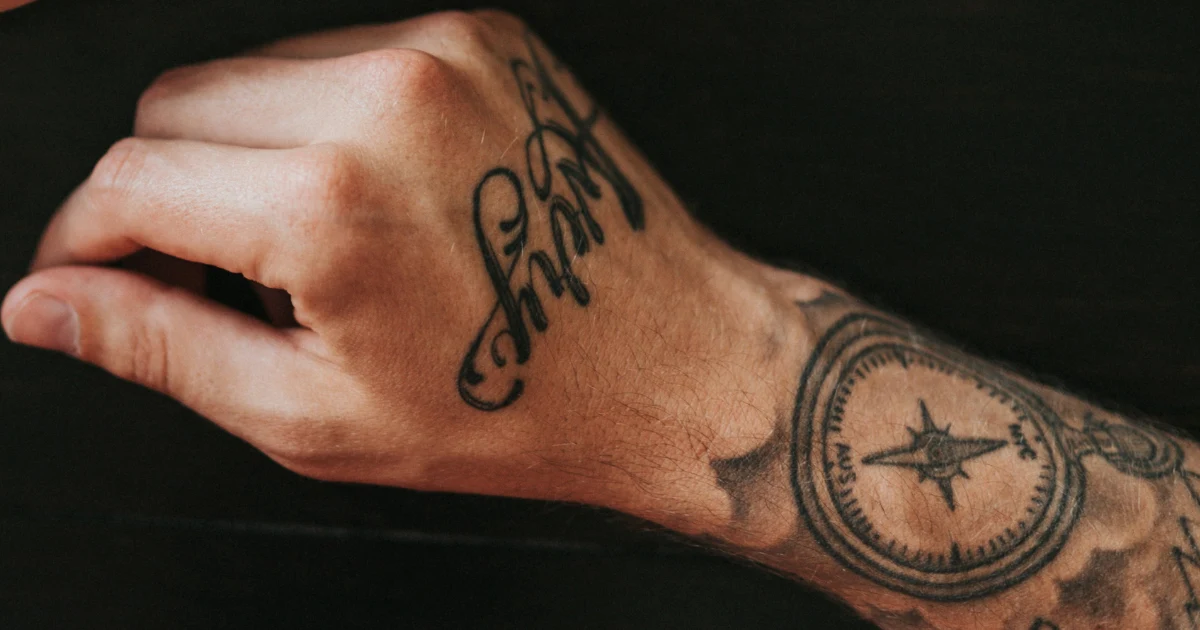
When you start looking into tattoo removal, one question comes up again and again: can a tattoo really be removed in a single session? In an age of instant everything, the idea of express tattoo removal appeals to a lot of customers.
The technical and biological reality of the human body sets limits, though. Here is what you should know before hoping your tattoo will vanish overnight.
The laser is powerful, but it works gradually
The laser is the most reliable method available today for tattoo removal. Contrary to what many people assume, it does not remove the ink directly. It emits concentrated light that fragments the pigment under the skin. Those fragments are then cleared naturally by the lymphatic system over the following weeks.
This process calls for:
- Patience
- Several sessions spaced apart
- Care and consistency with aftercare
Even the latest generation of lasers, such as picosecond devices, follows this gradual logic. Removing a tattoo in a single session therefore remains very rarely realistic.
Can one session clear a small tattoo?
There are a few exceptional and rare cases where one session can lead to almost complete fading:
- A very superficial and amateur
tattoo - A tattoo done with poor quality ink
- An old tattoo that time has already faded in part
Even in those cases, a completely even result with no trace left is unlikely. What can remain includes:
- A pigment shadow
- Traces of deeper ink
- A slight difference in skin texture
So even minimalist tattoos usually need 2 to 4 sessions for a satisfying result. Individual results vary.
The physical limits of fast removal
The body sets timescales you cannot shorten. Trying to clear a tattoo too quickly works against:
- The body's natural capacity to clear pigment
- The time the skin needs to heal
- The integrity of the skin barrier
Sessions that are too close together or too intense can lead to:
- Burns
- Hypertrophic scarring
- Hyperpigmentation or loss of pigment
Think of the treatment as a long distance run, not a sprint.
Why sessions need to be spaced out
Skin therapists recommend 6 to 8 weeks between sessions for several reasons:
- The immune system needs time to absorb the ink residue
- The skin needs to heal properly
- Treating inflamed or unhealed skin increases the risk of complications
A well spaced protocol supports lasting results while keeping side effects to a minimum.
Promises of removal "in one session": watch out
Some studios make "miracle" offers based on a single session. It is worth staying alert:
- No credible technology guarantees immediate and total removal
- These promises are often misleading marketing
- Overly aggressive treatment can damage the skin irreversibly
Only a trained skin therapist, working with the correct laser settings, can offer you a personalised and carefully managed treatment.
What a real laser protocol looks like
A proper tattoo removal treatment has several stages you cannot skip:
- An initial consultation with a skin therapist to assess your skin, the tattoo and what is feasible
- Setting the protocol using RsAP®, with the number of sessions discussed at the consultation, the interval between them and the precautions to take
- Sessions carried out by trained skin therapists in a controlled environment, with settings matched to your skin and your ink
- Aftercare follow up: repair creams, sun protection and monitoring of how your skin reacts
A structured protocol like this helps you reach real results without compromising the condition of your skin.
What influences how long removal takes
Several factors determine how many sessions you need:
- The colours used: black fades more easily than red, green or yellow
- How deep the ink sits
- Your skin type (phototype)
- Where the tattoo is (is blood circulation good there?)
- The state of your immune system
So it is important to keep realistic expectations, based on a full assessment with your skin therapist.
Key points
- Complete removal in a single session is not realistic in the vast majority of cases.
- The laser works gradually, fragmenting the pigment so the body can clear it.
- Patience and consistency are essential to avoid side effects and to get a good cosmetic result.
- Steer clear of miracle promises and offers that sound too good: they often hide a lack of skill or of safety.
- Only a protocol run by trained skin therapists supports effective and safe tattoo removal.
At Ray studios, treatment is covered by the Full Remove plan: unlimited sessions at a single fixed price. Book an initial consultation to discuss your tattoo.
FAQ
Can a tattoo be removed in a single laser session?
In 99% of cases, no, complete removal in a single session is unrealistic. The laser works progressively, breaking down ink particles layer by layer, which requires several sessions spaced apart to achieve a clean result without damage. A single session may produce a first visible lightening, but it is never enough to completely remove a tattoo, especially if it is dense, coloured or recent. At Ray studios, we build a personalised treatment plan, always focused on the safety and durability of results.
Does more power mean fewer sessions?
Not necessarily. Power that is too high and poorly calibrated can cause skin damage without necessarily improving the effectiveness of the treatment. The key to successful tattoo removal lies in precise settings, adapted to the depth of the pigment, its shade and the skin's reactivity. At Ray studios, our skin therapists use progressive dosage protocols to maximise effectiveness while preserving the integrity of the skin. Properly calibrated power allows for visible results, without compromising healing or skin quality. Individual results vary.
Is it dangerous to want to remove everything in a single session?
Yes, this carries real risks for your skin. An overly aggressive treatment can lead to deep burns, blisters, thick scabbing, depigmentation and even permanent scarring. Tattoo removal relies on the body's natural response, which needs time to clear the ink particles broken down by the laser. Speeding up this process artificially does not improve it, quite the opposite. At Ray studios, we observe skin recovery periods between each session, to ensure safe, lasting and aesthetically pleasing results.
What is the best approach for successful tattoo removal?
The most reliable method relies on a structured, progressive protocol, with sessions spaced 6 to 8 weeks apart, to allow the skin time to regenerate and the lymphatic system to clear the ink. At Ray studios, every customer receives a thorough initial consultation, personalised follow-up and a clear plan of action. This approach aims to achieve tattoo removal that is scar-free, even, and tailored to your goals (complete removal or lightening ahead of a cover-up). Individual results vary. Patience and professional expertise remain the keys to success.