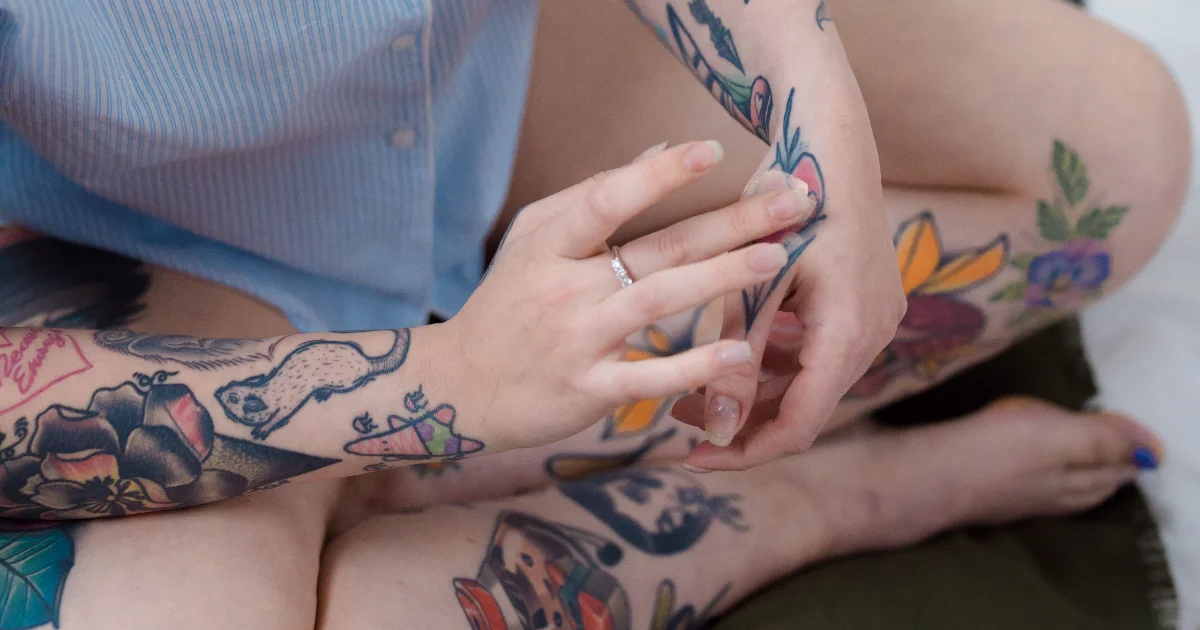
What are the risks of poorly performed tattoo removal?
Poor laser tattoo removal can cause burns, scarring, infections or lasting pigment changes. See what goes wrong and how trained skin therapists at Ray studios work to avoid it.

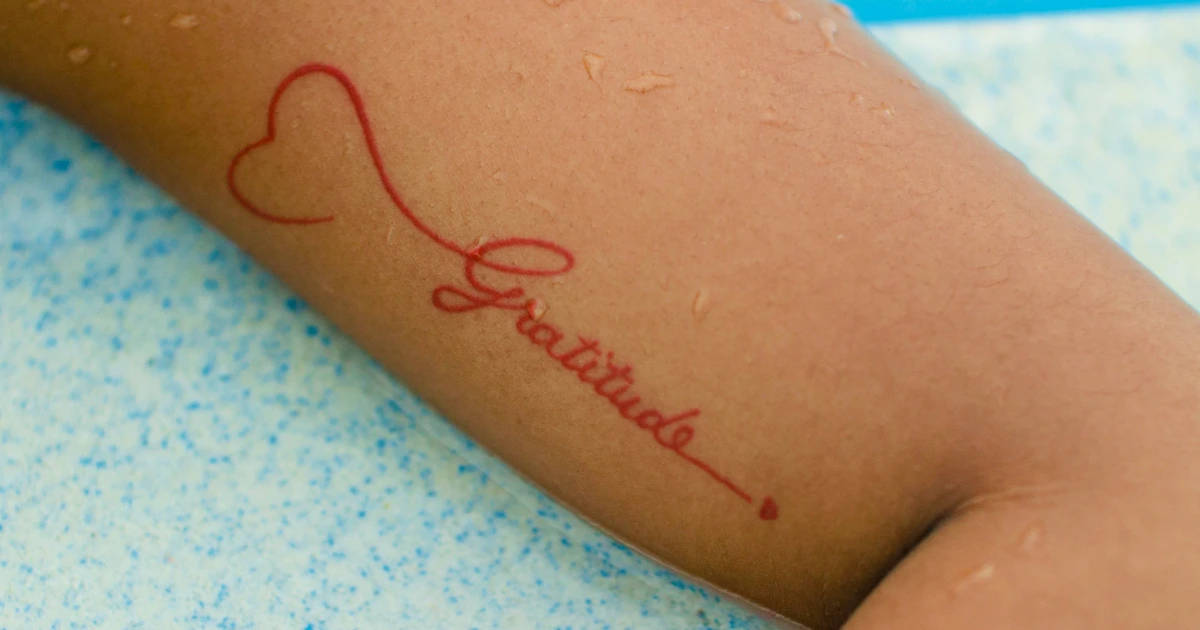
Laser tattoo removal is currently the safest and most effective way to remove a tattoo. But be careful: everything depends on how it is carried out. The laser is a precision tool, and it can become dangerous in the wrong hands.
At Ray studios, we regularly meet customers who come to us after a first experience that went badly: marks, pain, scarring, uneven pigmentation and more. Here are the main risks of poorly performed tattoo removal, and how to avoid them.
1. Skin burns
A badly set laser (too powerful, or not suited to the skin) can cause thermal burns:
- Blisters appearing,
- An intense burning sensation,
- Thick, painful scabs forming,
- Pain that lingers for several days after the session.
These burns are often a sign of a lack of experience on the part of the operator, or of the use of a laser that is not suited to the skin phototype.
2. Permanent scarring
Scarring is the most feared complication, and sometimes the most avoidable.
Badly handled tattoo removal can cause:
- Hypertrophic scars (raised),
- Atrophic scars (indented),
- Fibrous lines visible where the design was.
These marks are not caused by the laser itself, but by putting the skin under too much stress, without allowing it the time it needs to regenerate.
3. Depigmentation (white patches)
Excessive laser exposure, particularly on darker or tanned skin, can affect melanin. The result: areas lighter than the surrounding skin appear and persist over time.
These white patches are sometimes irreversible, especially if no test was carried out before starting the treatment.
4. Hyperpigmentation (dark patches)
Conversely, some people react with a local build-up of pigment.
This shows up as brown, dark grey or purplish patches that darken the treated area.
This mainly affects:
- Olive to dark skin tones,
- Areas that are already irritated or poorly cared for,
- People who expose the area to the sun too soon after a session.
-
5. Uneven or unattractive results
Badly performed tattoo removal can leave:
- Blurred or uneven ink residue,
- Ghost shapes (a "negative tattoo"),
- Partial fading in patches, with no logic or balance to it.
This kind of result makes any cover-up harder, or even impossible, without further removal work.
6. Skin infections
An unclean environment, poor hygiene or a lack of aftercare can lead to:
- Prolonged redness,
- Inflammation,
- Pus, local heat, or even a deeper infection requiring medical attention.
Tattoo removal remains a technical treatment on vulnerable skin. Hygiene is therefore essential at every stage.
The most common mistakes behind these risks
- Use of unapproved equipment, often bought online,
- An untrained operator, or someone working without correct laser settings and a controlled environment,
- No prior assessment,
- No test on a small area,
- Sessions spaced too closely together,
- No follow-up after the session.
How can these complications be avoided?
At Ray studios, we take every treatment seriously, and we put in place:
- A personalised assessment for each customer,
- Tailored tests based on the skin type and the nature of the tattoo,
- The use of certified lasers, suited to every phototype,
- A precise care protocol before and after each session,
- Regular follow-up by your skin therapist to adjust the treatment according to how your skin responds.
Key points
Tattoo removal done properly does not damage the skin. But removal that is poorly managed, rushed or left to someone unqualified can lead to irreversible side effects. Individual results vary.
Burns, scarring, depigmentation and infections are not inevitable, but the consequence of a lack of care or professionalism.
At Ray studios, we have chosen an approach that is clean, gradual and respectful of your skin and your pace. You can discuss all of this with a skin therapist at your initial consultation, where we will talk you through the Full Remove plan: unlimited sessions at a single fixed price.