Tattoo Removal: What Happens Between Two Sessions
Between two tattoo removal sessions the laser stops working, but your body does not. This invisible phase is essential to how the treatment progresses. Individual results vary.

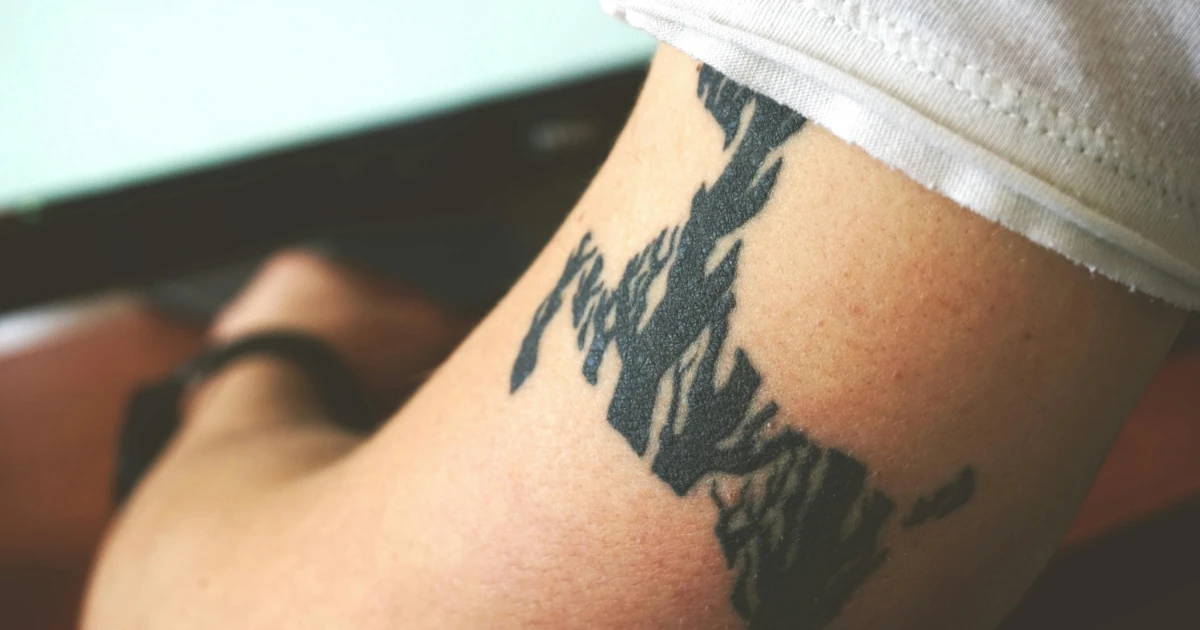
Tattoo removal is often seen as a series of laser sessions. Yet most of the work does not happen during the session itself, but between two sessions. This period, sometimes long and frustrating for customers, is in fact a key biological phase and essential to the gradual clearance of pigment.
At Ray studios, we place particular emphasis on this in-between phase, because it shapes the safety of your skin, the effectiveness of the removal and the quality of the final result. Understanding what happens between two sessions helps you accept the pace of the treatment and avoid mistakes that could compromise it.
What the laser does: it triggers, it does not erase
Contrary to a common belief, the laser does not make a tattoo disappear instantly. During a session, the laser fragments the pigment into smaller particles using an extremely short, targeted pulse.
At this stage the ink is still in the skin, but in a different form. The laser triggers a biological process: it makes the pigment possible to clear, without removing it directly.
Immediate inflammation: a normal reaction
Just after the session, the skin enters an inflammatory phase. Redness, swelling, a sensation of heat or superficial blistering can occur. These reactions are normal and reflect the controlled impact of the laser on the skin.
This initial inflammation is temporary. It is part of the healing process and prepares the ground for the stages that follow. At Ray studios, precise post-session instructions are always given to support this phase.
Skin healing
In the days after the session, the skin begins to repair itself. The epidermis renews, the micro-lesions close and the skin barrier gradually rebuilds.
This phase is crucial. Incomplete or disrupted healing (sun exposure, friction, unsuitable aftercare) can increase the risk of pigment changes or slow the treatment down.
The silent work of the immune system
Once the skin has healed, the most important work begins: clearance of the pigment by the immune system. Macrophages identify the particles fragmented by the laser and gradually transport them towards the lymphatic system.
This process is slow. It takes place over several weeks, sometimes several months. That is exactly why sessions need to be spaced out: your body needs time to do its work.
Why a tattoo keeps fading without laser
Many customers notice that their tattoo fades gradually after the session, sometimes several weeks later. This is normal and corresponds to the ongoing clearance of pigment.
The better the sessions are spaced, the more effective this clearance is. Stacking sessions too quickly prevents the body from finishing the process and does not speed up results.
Why rest time between two sessions matters
Spacing sessions is not an arbitrary constraint. It is a biological necessity. Too short an interval can:
- increase the risk of scarring,
- cause pigment changes,
- tire the skin unnecessarily,
- limit the overall effectiveness of the removal.
At Ray studios, the interval between sessions is always adapted to your skin, the area treated and how the tattoo is responding.
Why results vary from one person to another
Between two sessions, not everyone progresses at the same pace. Age, skin type, immune response, lymphatic circulation, lifestyle and the age of the tattoo all influence how quickly it fades.
That is why two people with the same tattoo will never see exactly the same results at the same time. Individual results vary.
What to avoid between two sessions
Some mistakes can slow the treatment down or compromise it:
- exposing the area to the sun,
- scratching or picking off scabs,
- using irritating or abrasive products,
- booking sessions too close together.
These behaviours increase the risk to your skin without improving the outcome.
Follow-up: a key element between sessions
Follow-up is not limited to the laser pass itself. Between two sessions, the way your skin and your tattoo are evolving needs to be observed. The protocol may need to be adjusted depending on how the skin reacts and how much fading has been achieved.
At Ray studios, this follow-up phase is a full part of the treatment, so that removal stays gradual, safe and controlled by trained skin therapists using the correct laser settings in a controlled environment.
Key takeaway
Between two tattoo removal sessions the laser is no longer working, but your body is. This invisible phase is essential to pigment clearance and to the quality of the final result. Respecting biological time is the key to successful removal.
At Ray studios, every protocol is designed to follow the natural pace of the skin and the immune system, without rushing and without compromising on safety. You can discuss your tattoo at an initial consultation, and our Full Remove plan gives you unlimited sessions at a single fixed price.