Tattoo Infections: Why Following Aftercare Matters
A poorly cared-for tattoo can become infected, damaging the design and your skin. Here are the warning signs and the aftercare steps that protect both. Individual results vary.

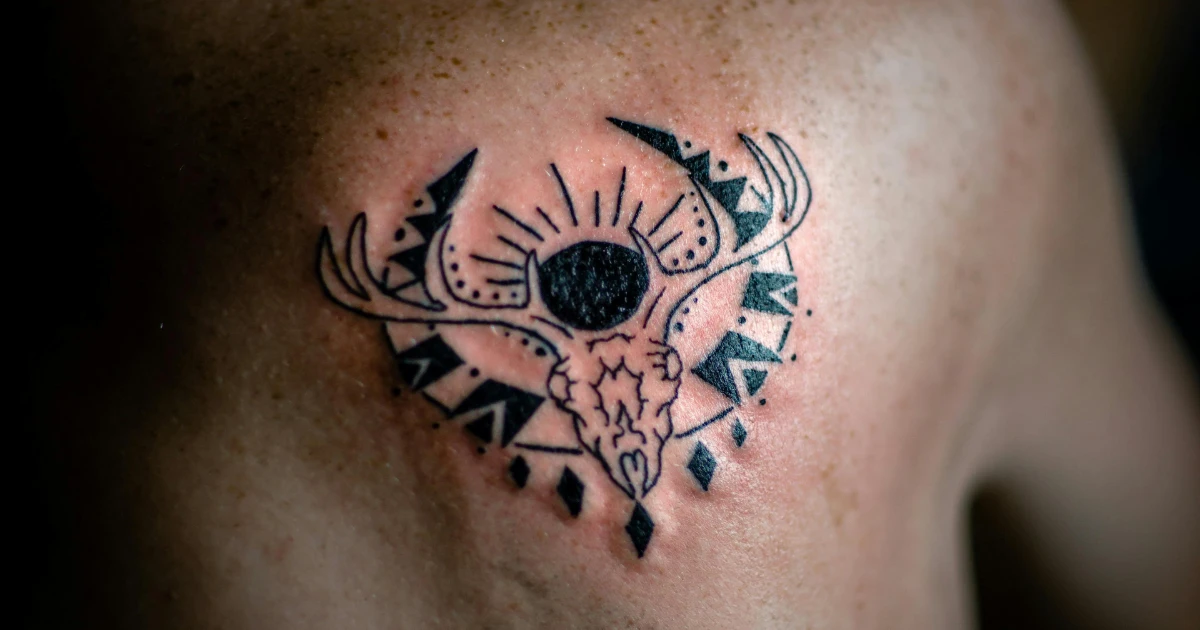
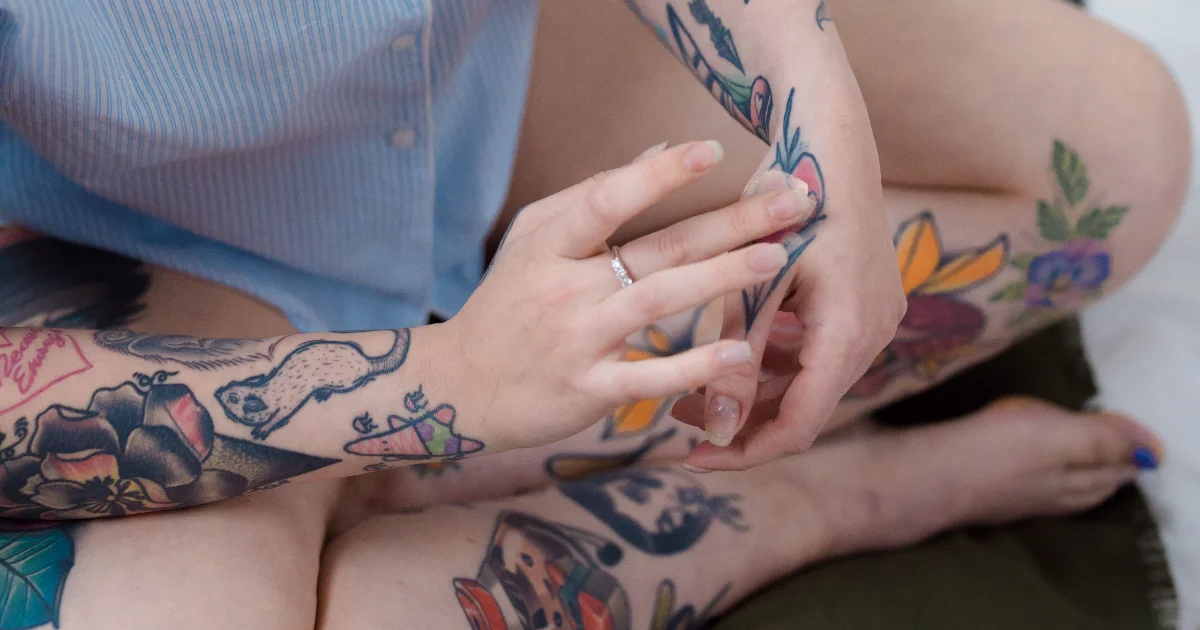
Getting a tattoo is an artistic, personal and intimate decision… but it is also a question of skin health. A fresh tattoo is an open wound, and like any wound, it needs the right aftercare to heal properly.
At Ray studios, we regularly meet people whose tattoo has healed badly because of an avoidable infection. Here is why following your aftercare routine is essential, not only for how the design looks, but for your health too.
Why can a tattoo become infected?
A new tattoo is a break in the skin. If it is not protected properly, it can become an entry point for bacteria, especially in the first few days after the session.
The most common causes:
- Touching the tattoo with unwashed hands,
- Skipping the daily cleaning,
- Wearing dirty or overly tight clothing,
- Exposure to dust, sand or standing water (baths, swimming pools, the sea),
- Using unsuitable or perfumed products,
- Picking at scabs or ignoring warning signs.
Worth knowing: an infection can damage the design, cause patchy healing or, in serious cases, require treatment or even removal of the tattoo.
Signs of infection you should not ignore
A tattoo can be slightly red and tender in the first few days, which is normal.
But some signs should put you on alert:
- Persistent redness, or redness that spreads,
- An area that feels hot to the touch,
- Significant or painful swelling,
- Yellow or green discharge, pus or a bad smell,
- Fever or chills.
If you are unsure, speak to a healthcare professional quickly. An infection caught early usually responds well. Waiting can leave lasting marks on the appearance of your skin.
The right habits to avoid infection
A well cared-for tattoo is a tattoo that heals well. Here are the essential rules to follow after each session:
- Wash your hands before touching the area,
- Clean the tattoo with a mild, fragrance-free soap and lukewarm water,
- Pat dry, never rub,
- Apply a thin layer of a suitable healing cream (fragrance-free, alcohol-free),
- Wear clean, loose and breathable clothing,
- Avoid sun exposure, baths, heavy sweating and prolonged contact with water for at least 2 to 3 weeks,
- Do not scratch the scabs: let your skin do its work.
At Ray studios, we always advise following a strict aftercare routine, even if the tattoo “seems fine”. It is often small lapses that lead to complications.
When an infection leaves a mark: removal or correction
A tattoo that heals badly can lead to:
- Gaps in the ink,
- Blurred or faded areas,
- A hypertrophic scar (keloid),
- A significant loss of quality in the original design.
In these cases, you have two options:
- A cover-up or correction with an experienced tattoo artist,
- Partial or full tattoo removal at a specialist laser studio such as Ray studios.
We often welcome customers who were never given, or did not follow, the right aftercare advice, and who now want to repair or erase the consequences.
Key points
A tattoo is art… but it is also skin and biology. Following your aftercare helps you avoid infection, protect the design and spare yourself regrets. Individual results vary.
At Ray studios, we do not tattoo, but our skin therapists know how to recognise a tattoo that has healed badly. And when it is too late to save the design, we offer precise and carefully controlled laser tattoo removal.
Our priority remains prevention: because a well cared-for tattoo is one you will keep… or one you decide to remove later, by choice rather than necessity.